Julfa / Ջուղա • Series, Oil Paintings • New York City
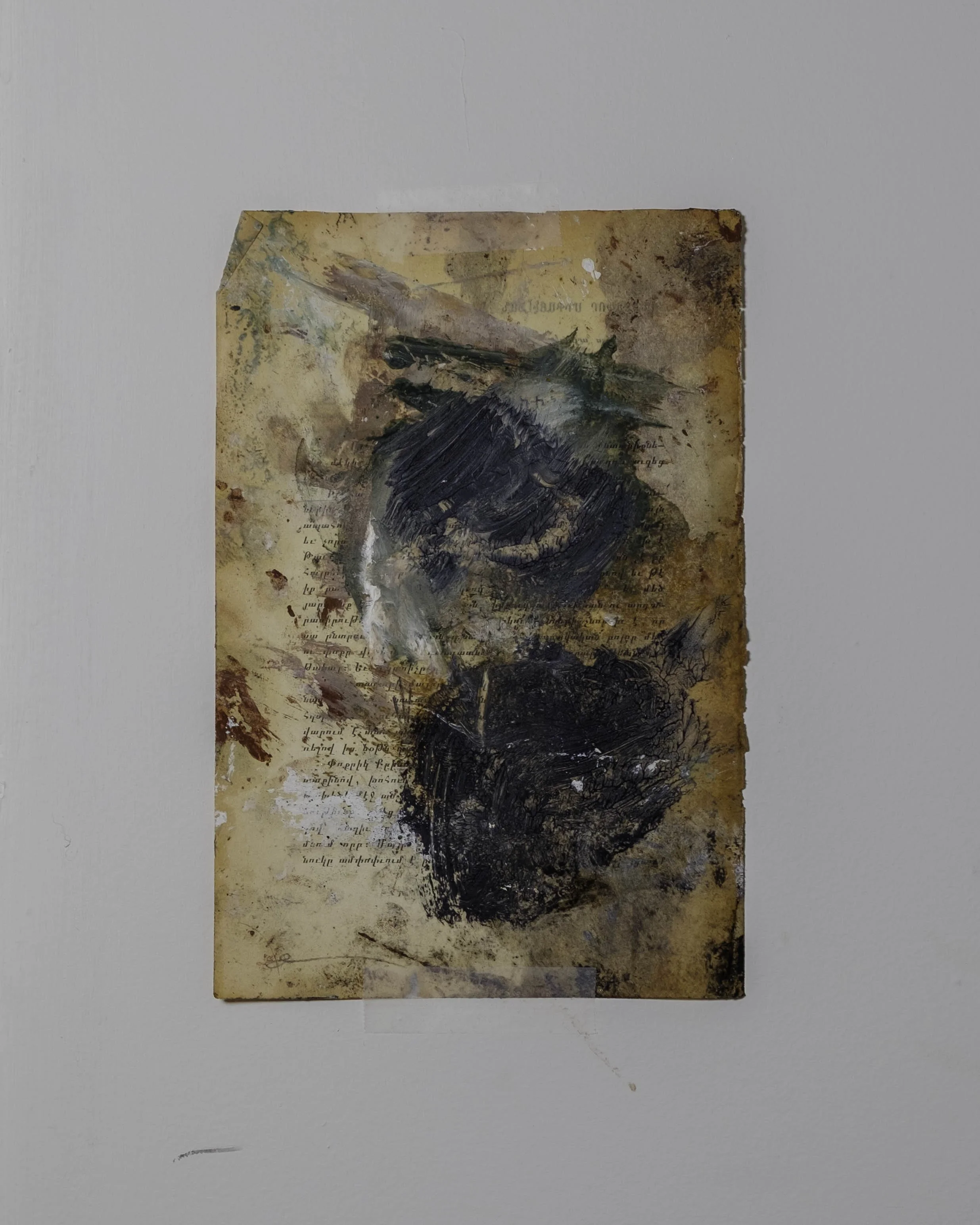
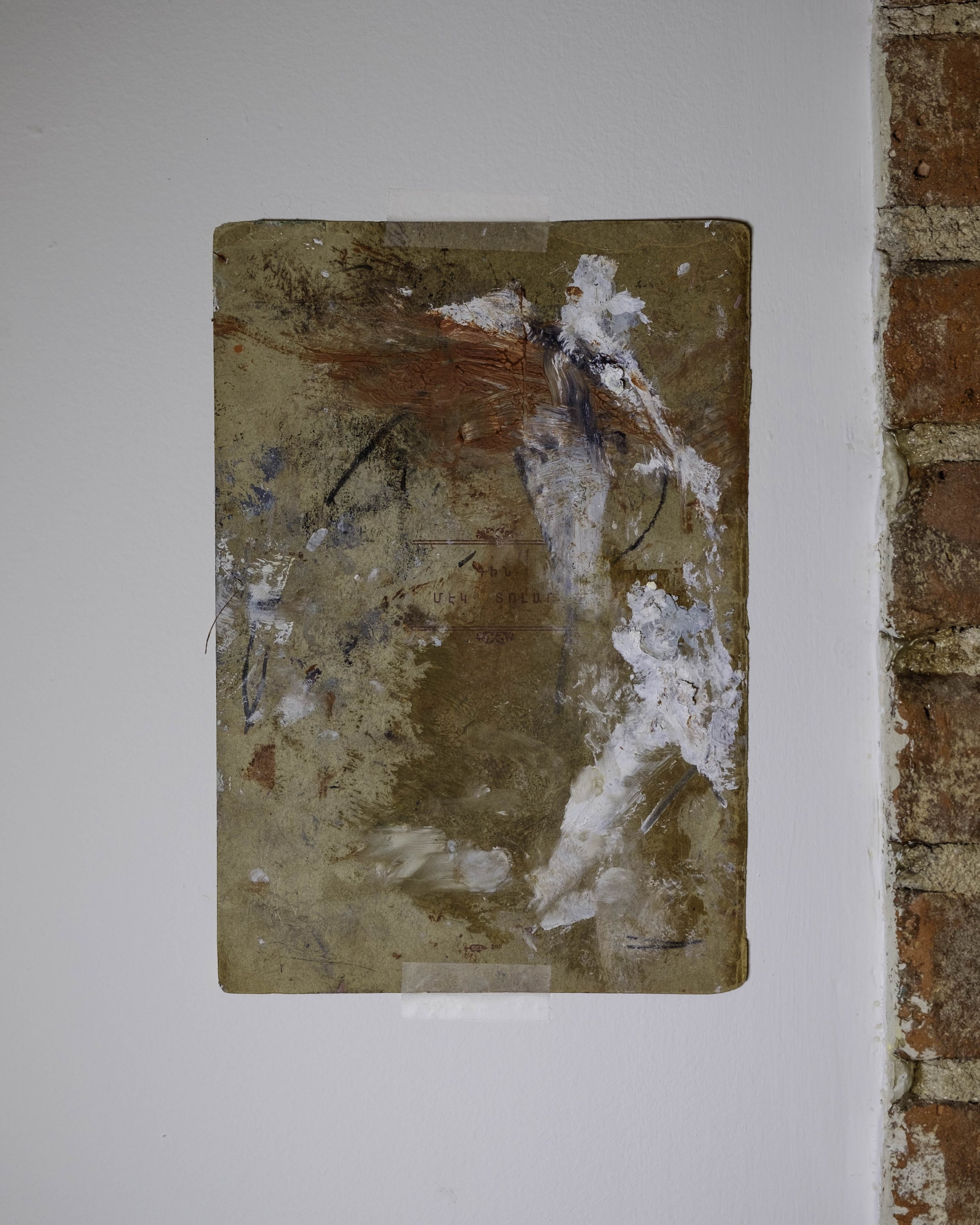
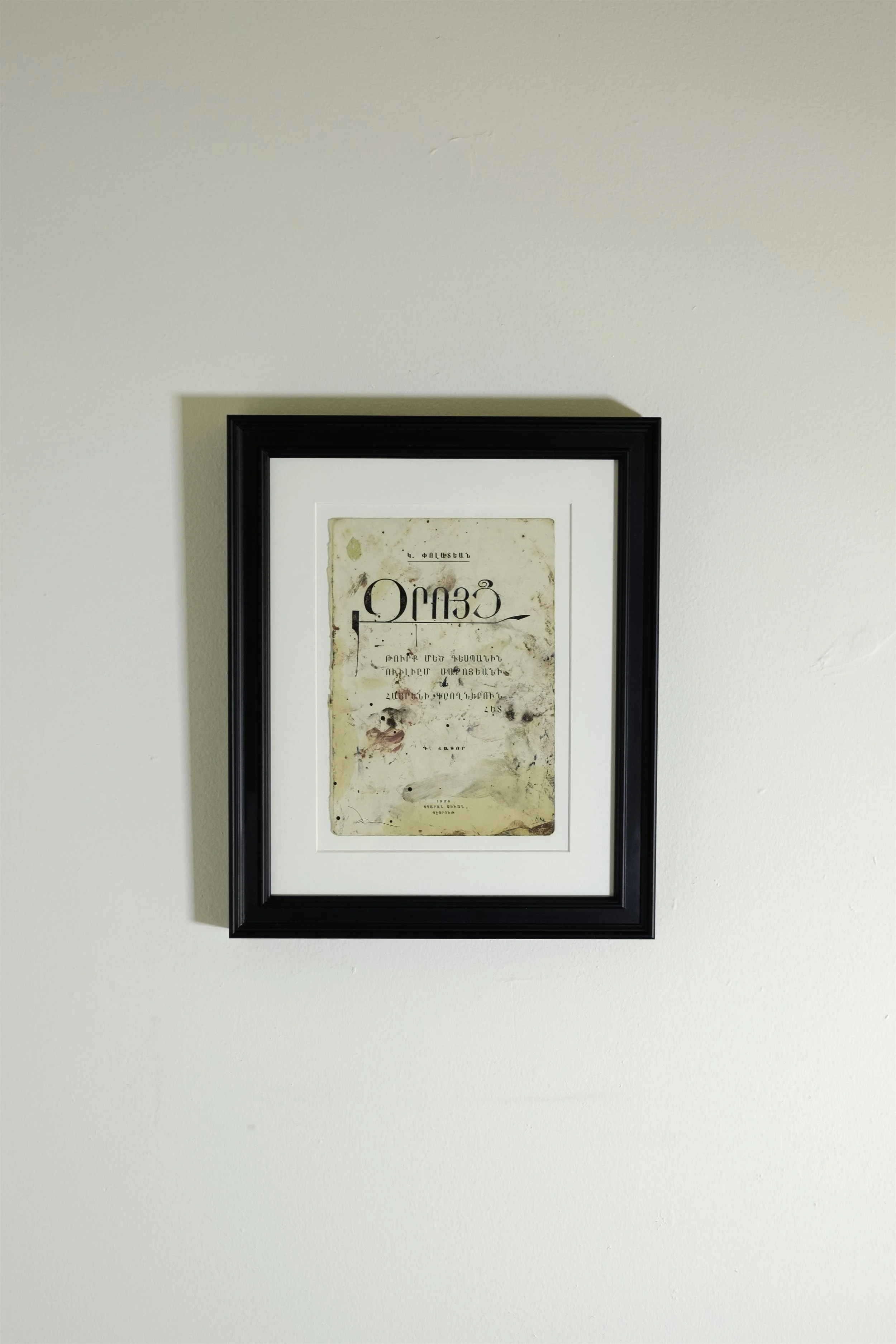
Painting acts as` concealment within the works of Julfa. Color and pigment echoes the ways cultural memory is often erased, and what ultimately survives is incomplete. While inspired by Armenian history, Julfa speaks to broader patterns of cultural erasure.
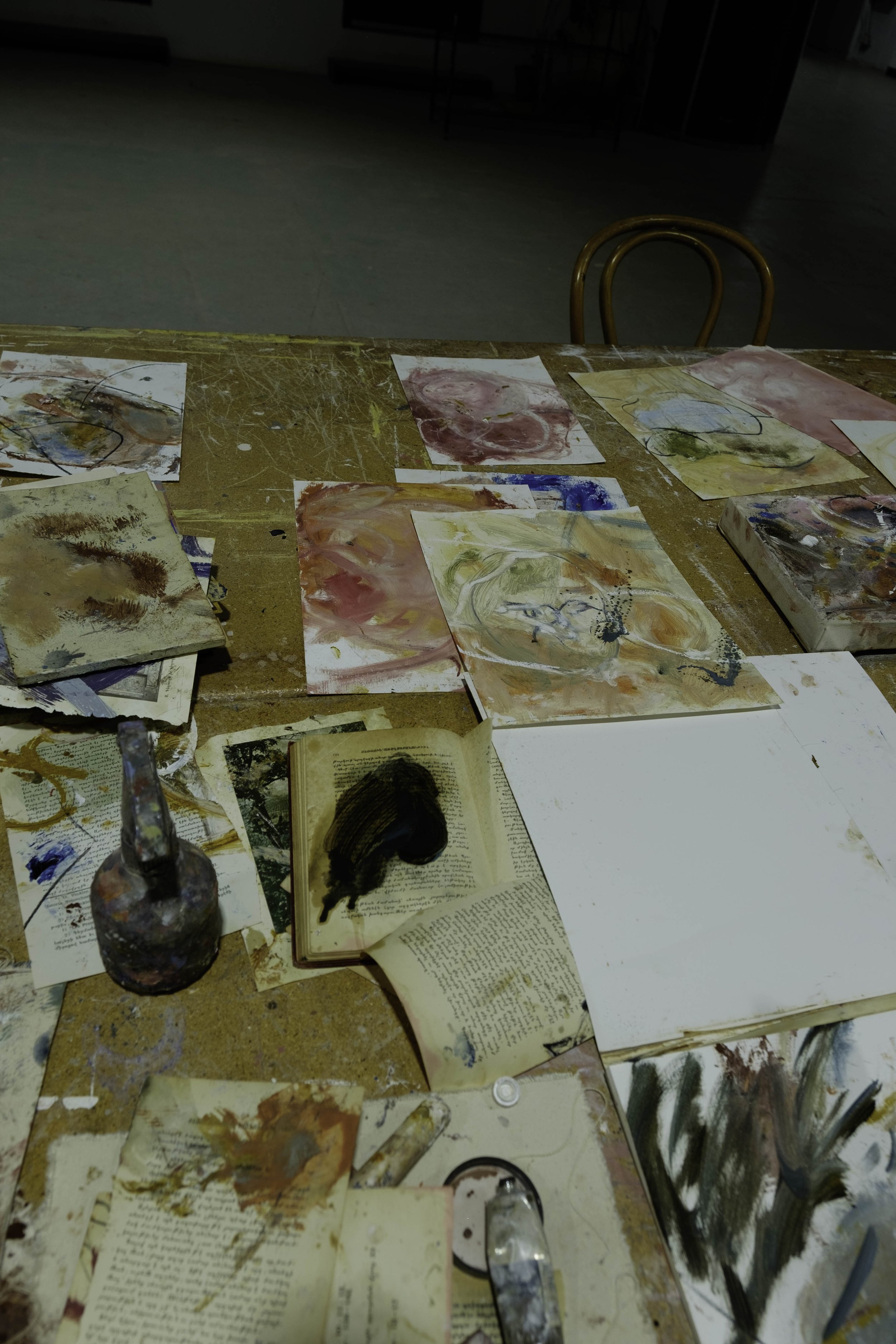
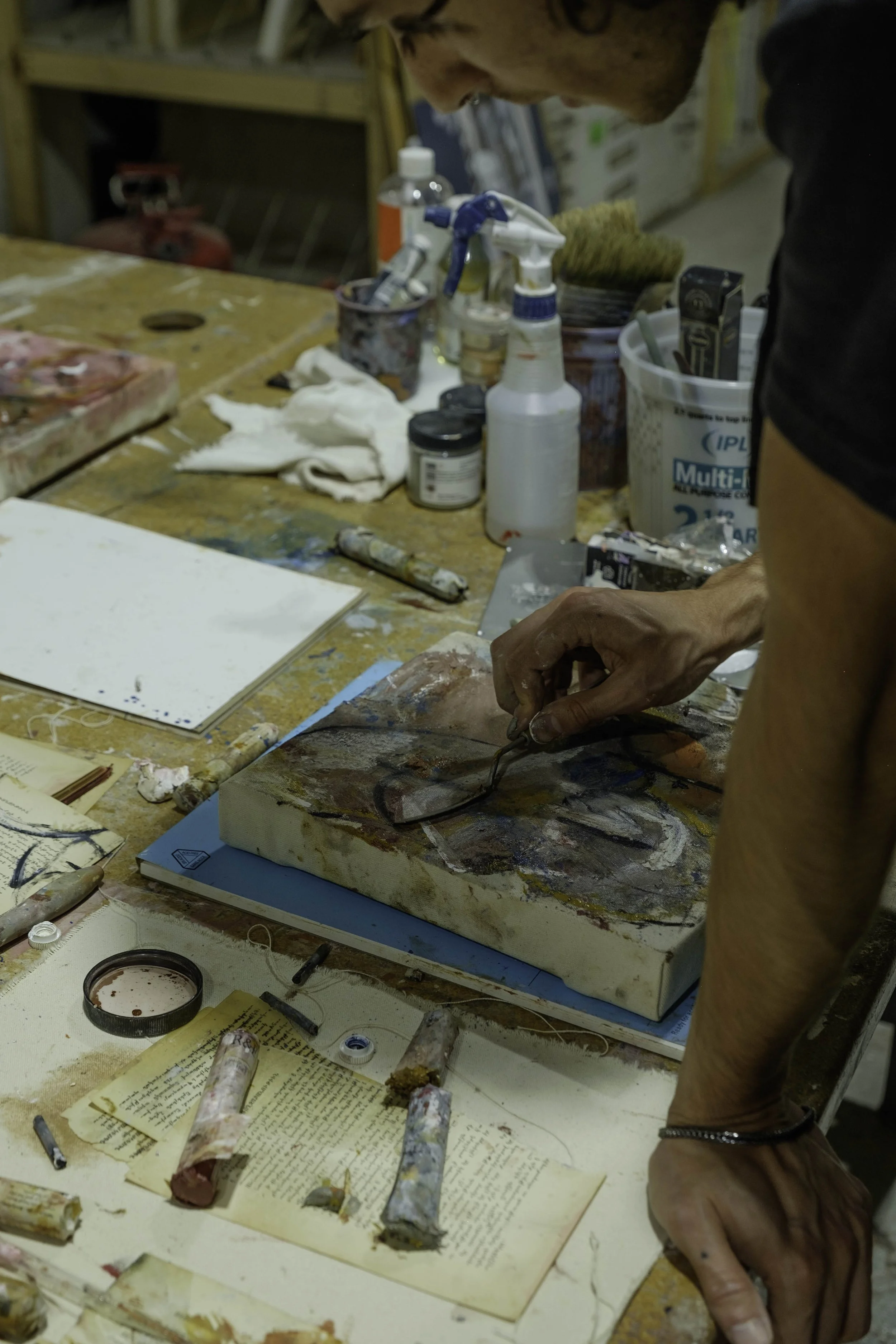
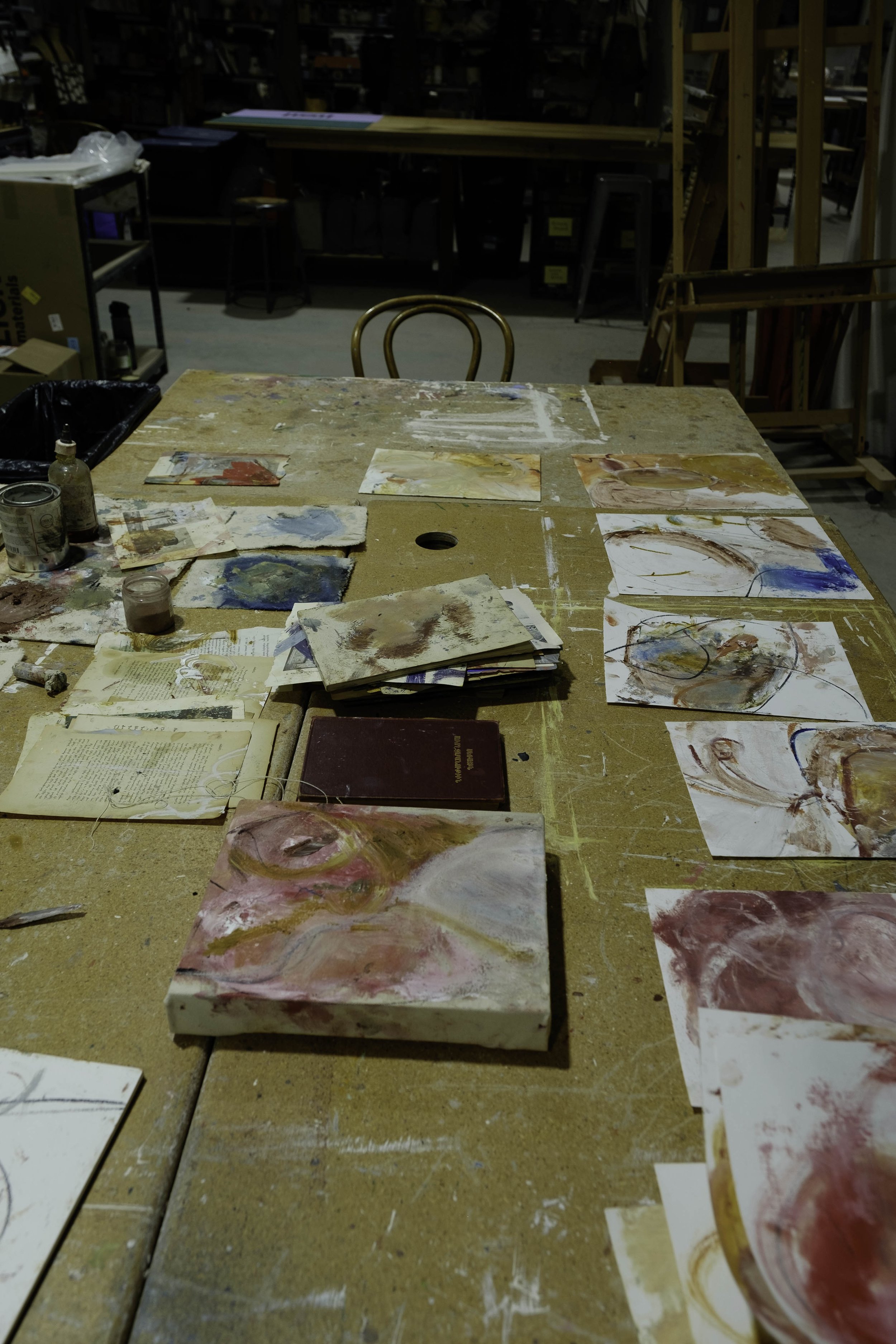
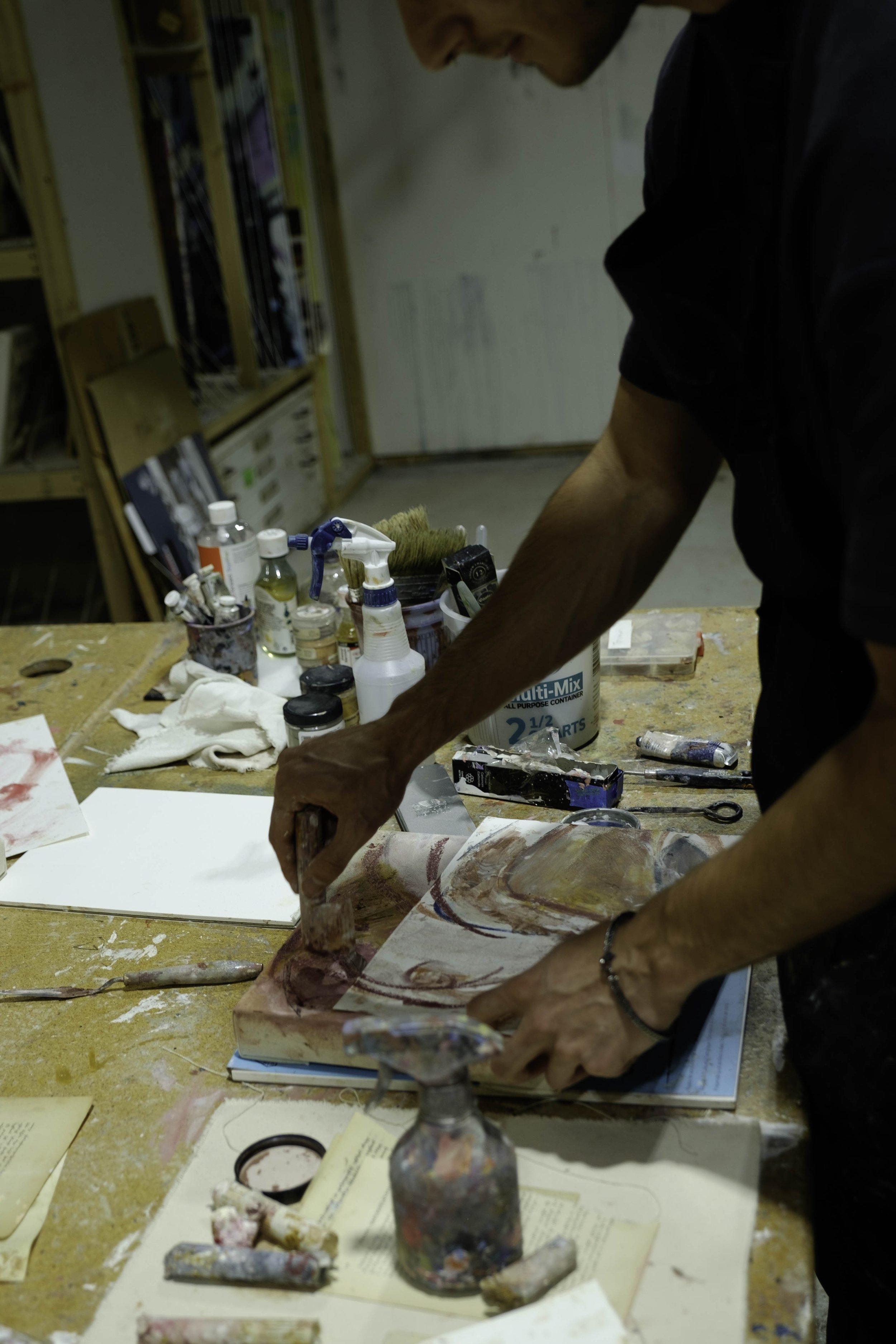
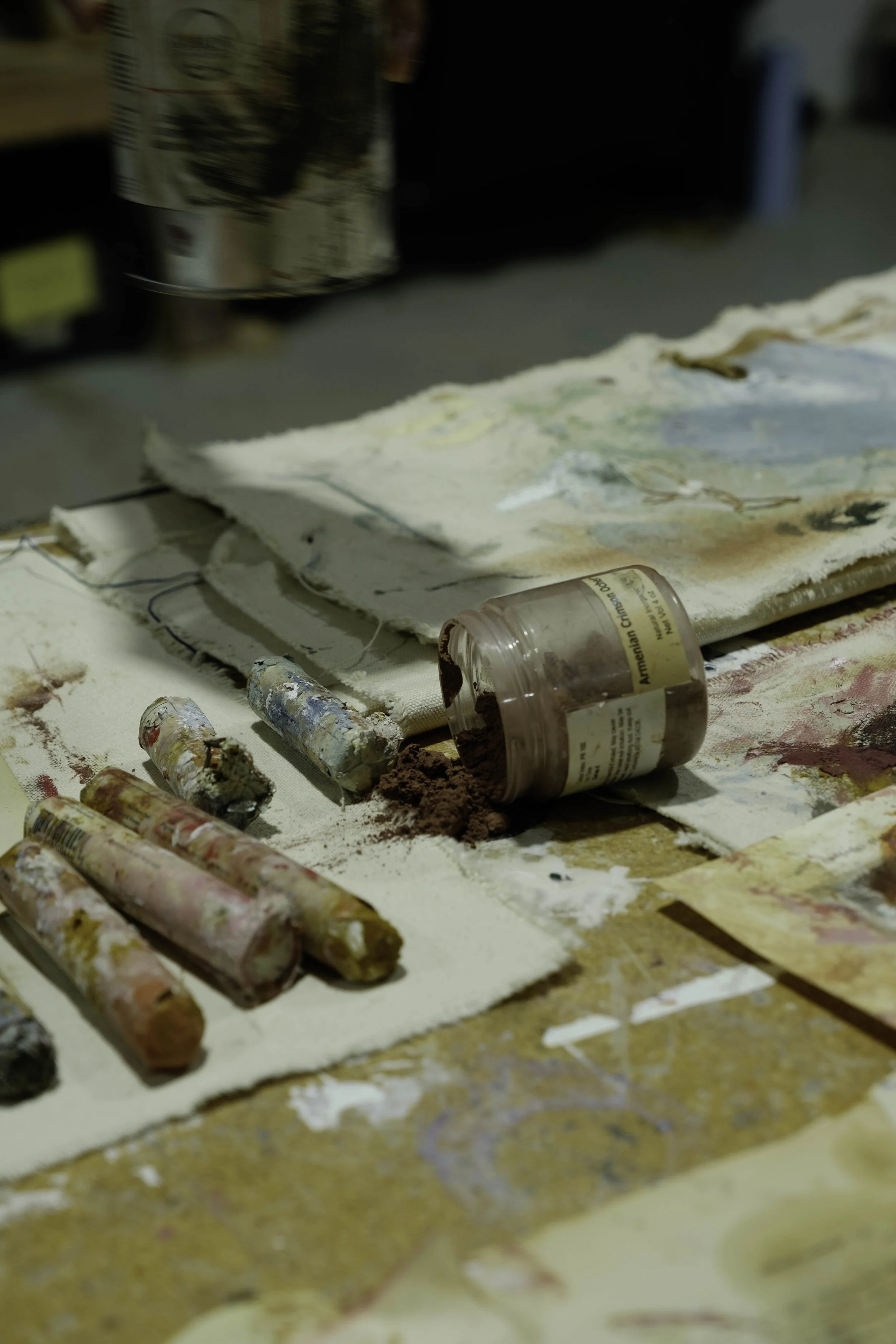
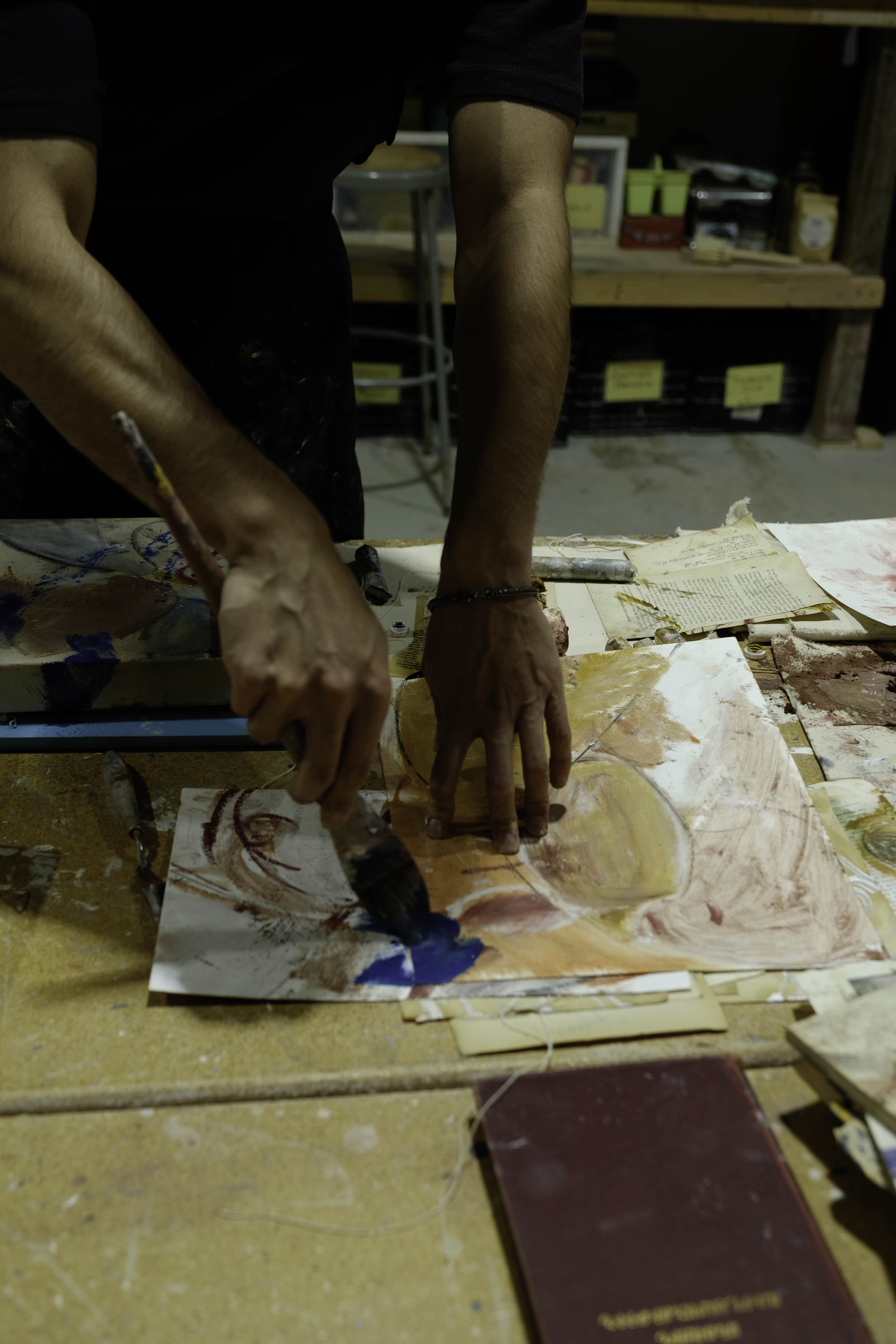
Julfa emerges from the charged environment of my studio: ongoing paintings, bottles of Armenian pigment, charcoal, and other fragments left behind by the process of making. Each work within Julfa begins with layers of archival photographs, historic imagery, and sheet music gathered from my Armenian book collection. (The texts are partially damaged, incomplete, or repurposed, as to not deplete scarce sources.) As paintings develop nearby, these materials accumulate incidental traces left by the movement of my studio. Informed by chance, the works are ultimately discovered and recognized as a residue of a larger process.
What remains is then brought forward as standalone pieces, allowing overlooked fragments to become images in their own right. My buried works within Julfa functions as a symbolic record. The destruction of the medieval Armenian cemetery at Julfa in Nakhchivan (where thousands of intricately carved khachkars (cross-stones) were systematically destroyed) stands alongside countless examples throughout history, from the devastation of heritage sites during wartime to the loss of Indigenous landscapes through colonization. Though separated by geography and time, these acts share a common purpose of erasure. Julfa asks what remains after monuments fall and histories are rewritten. It asks about the consequences of indifference, on the ease with which cultural destruction can unfold.
2022 — 2026
(Series 2026)
Armenian pigment, oil, wax, and charcoal
ca. 19th century through the mid-20th century.
New York
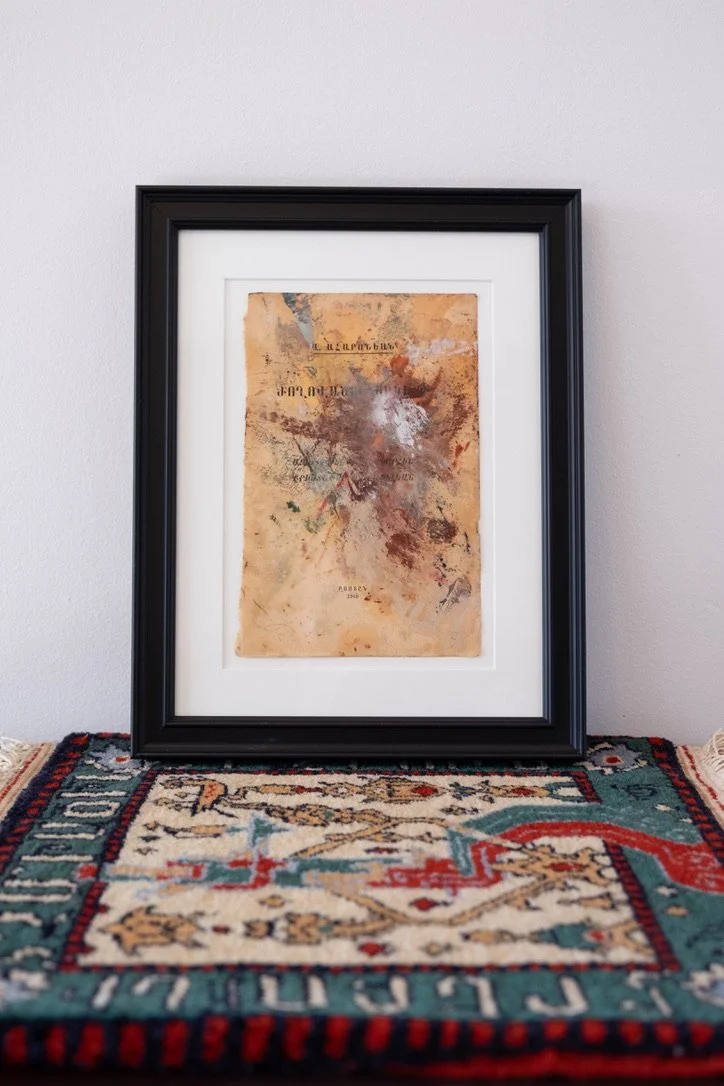
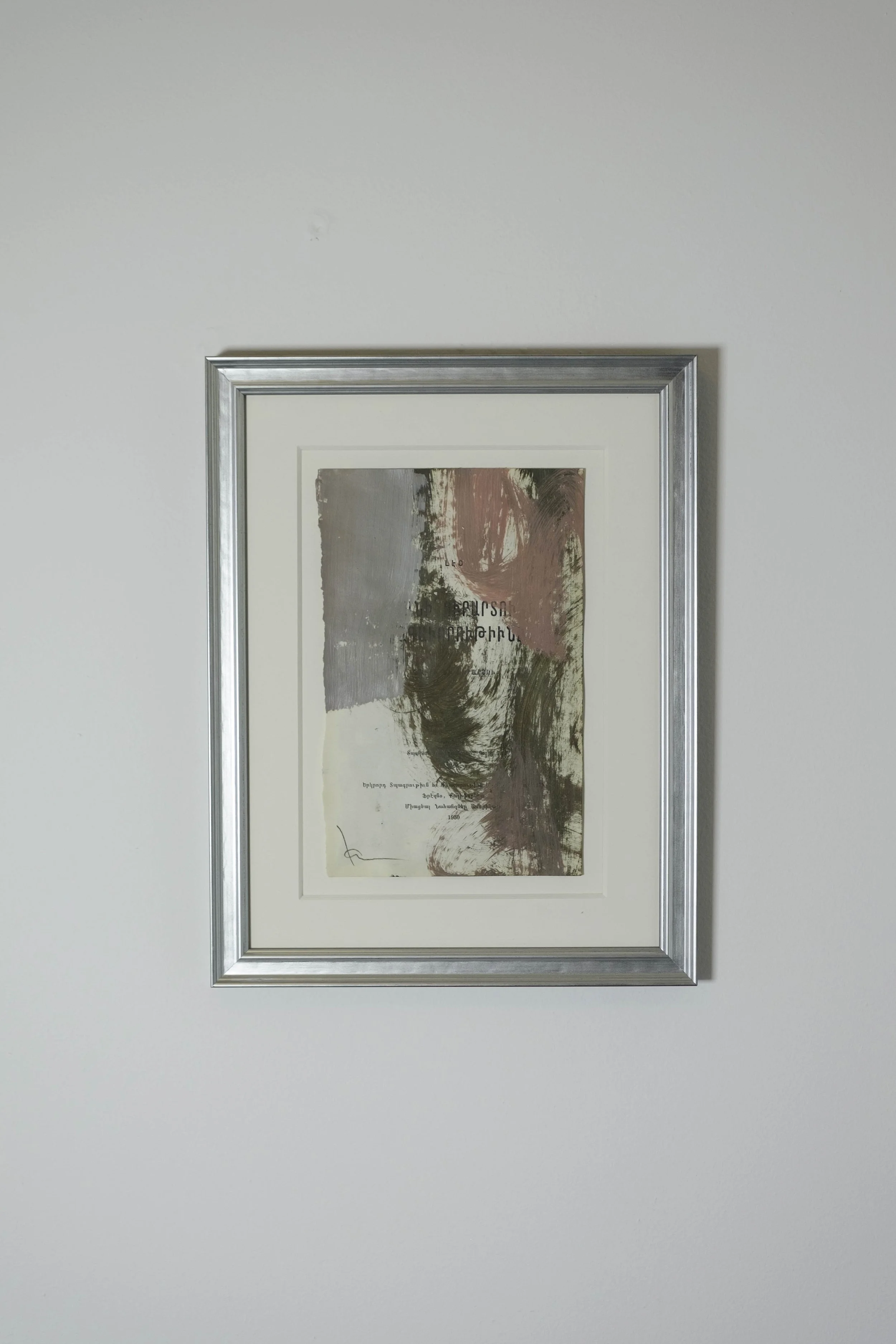
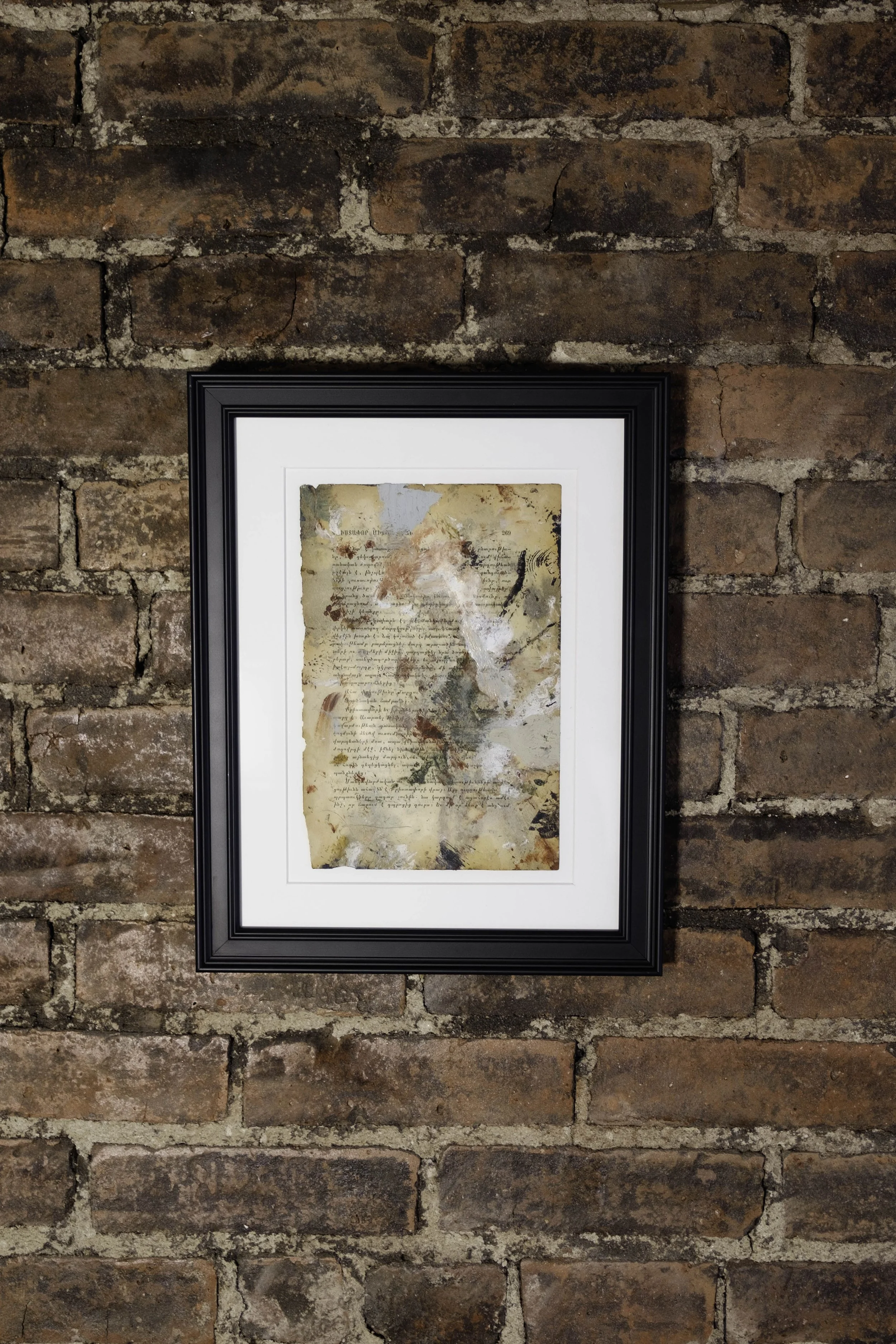
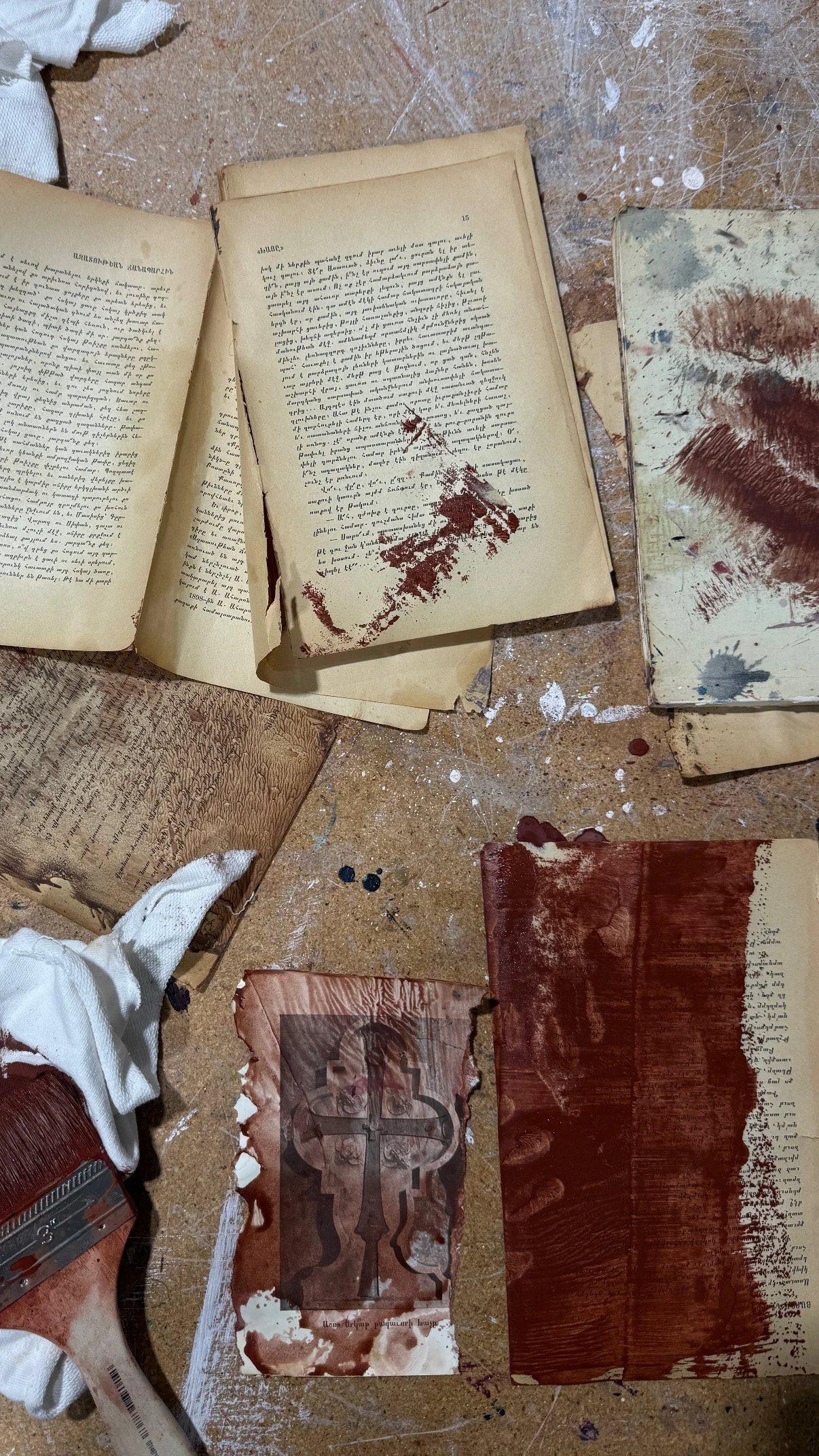
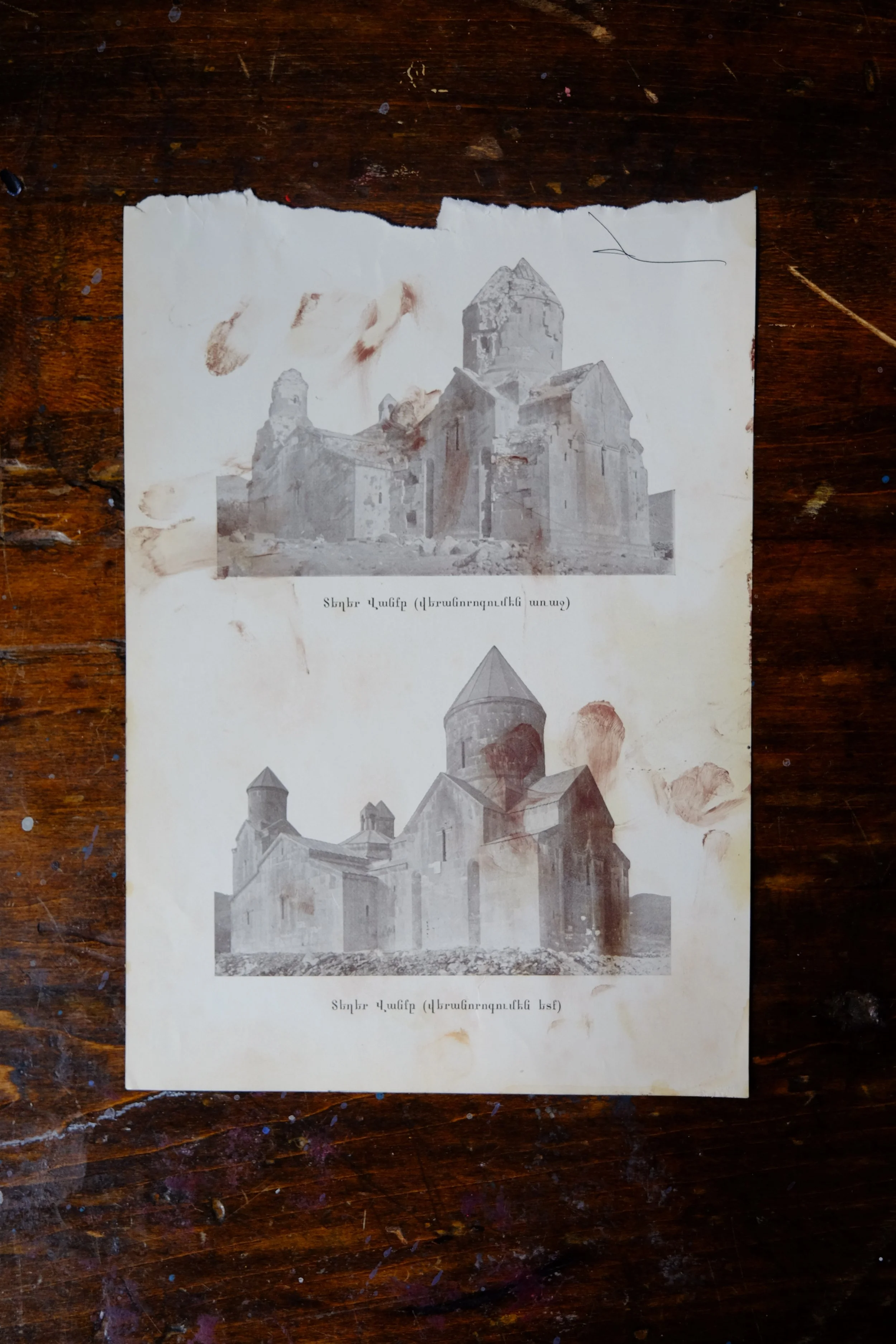

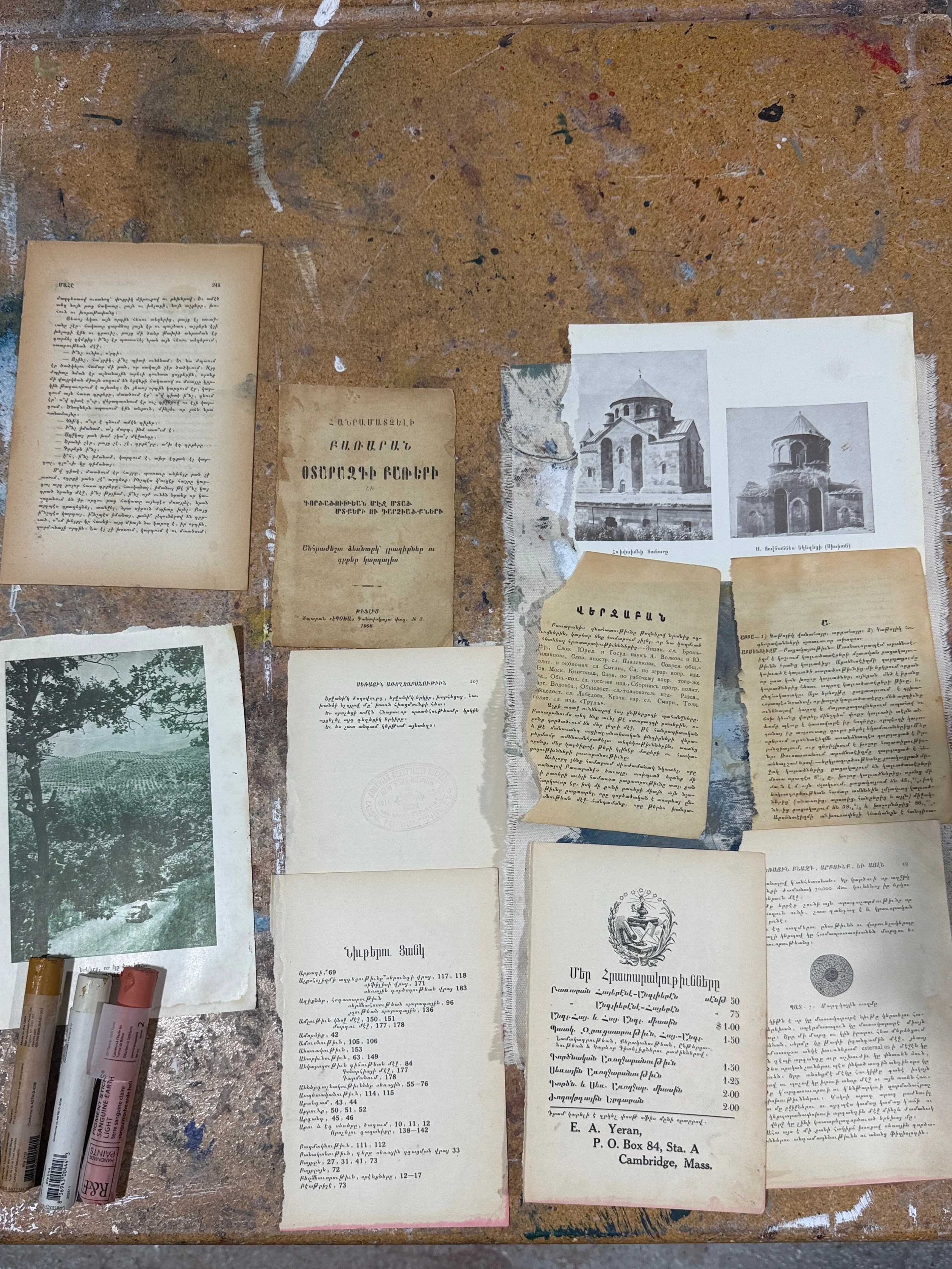
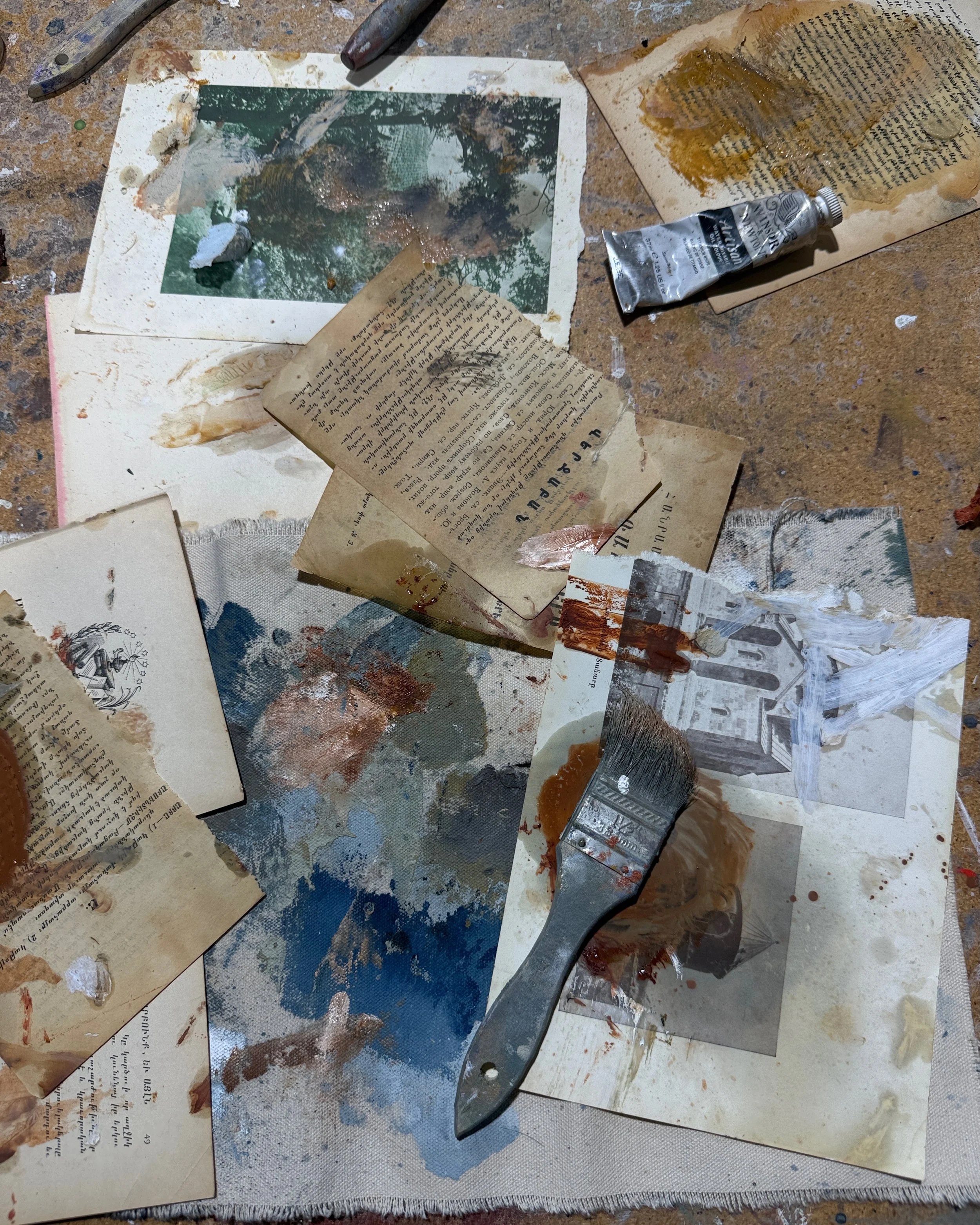
Process (2022)
Studio images demonstrating tearing, layering, and painting.
Philadelphia, PA
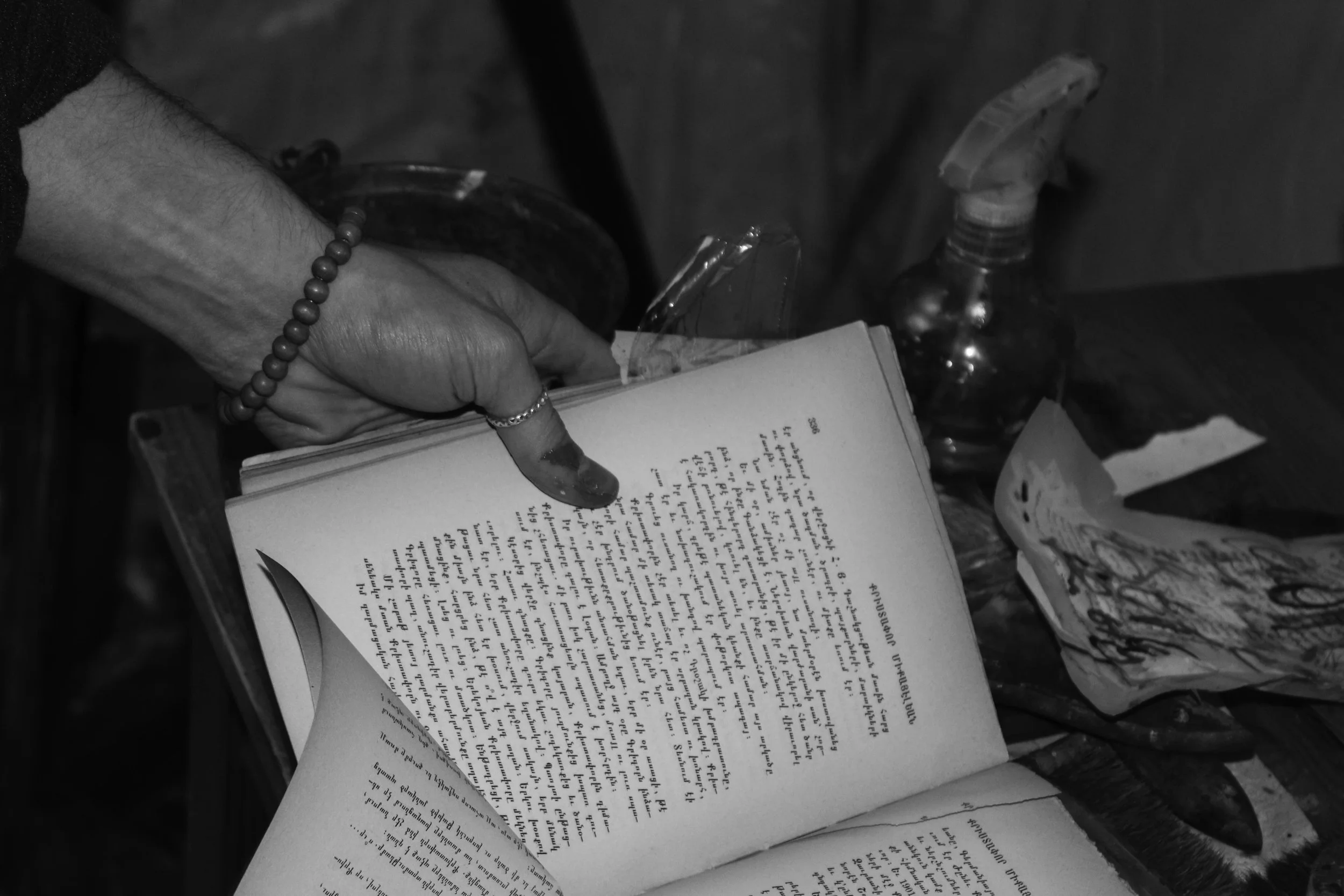
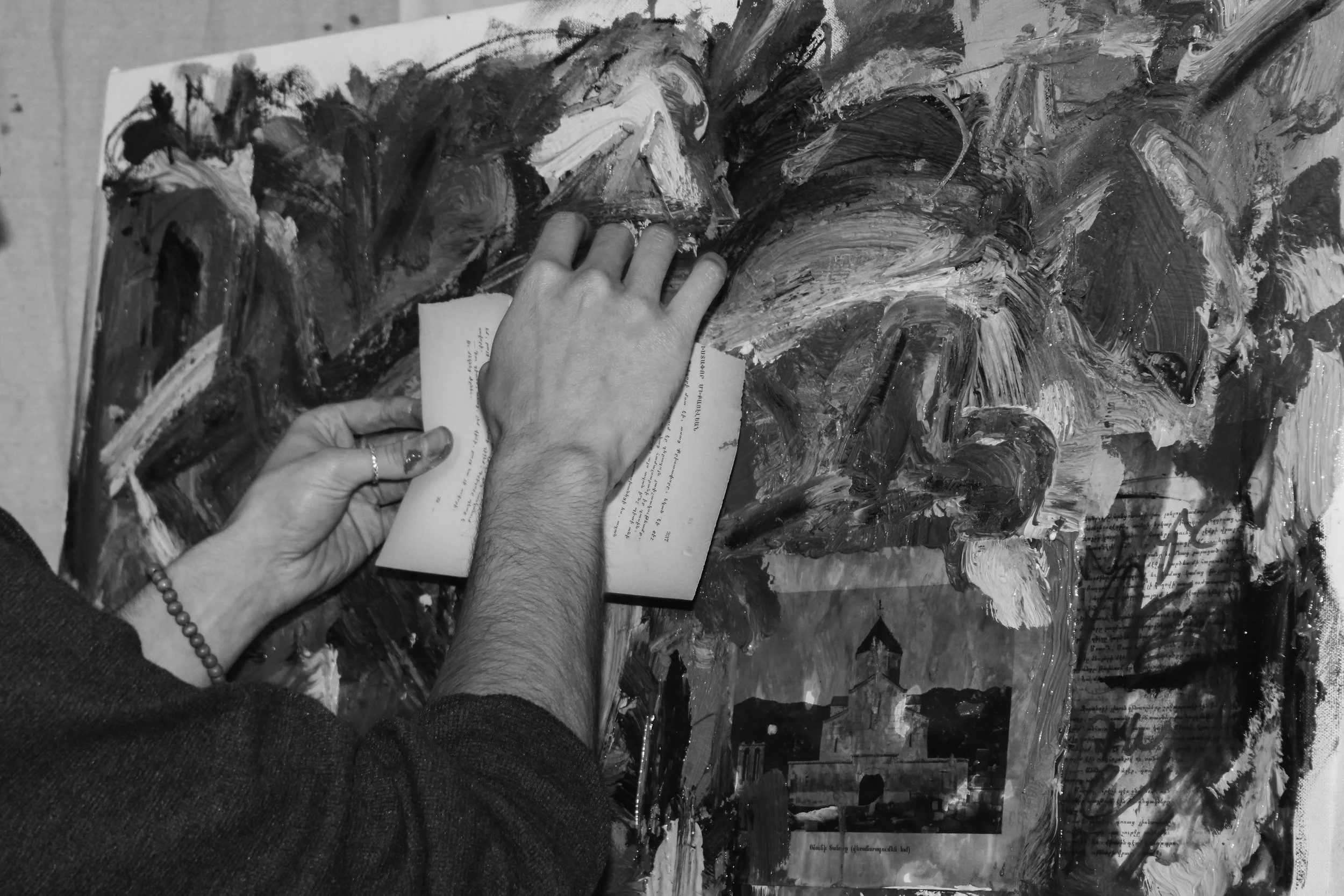
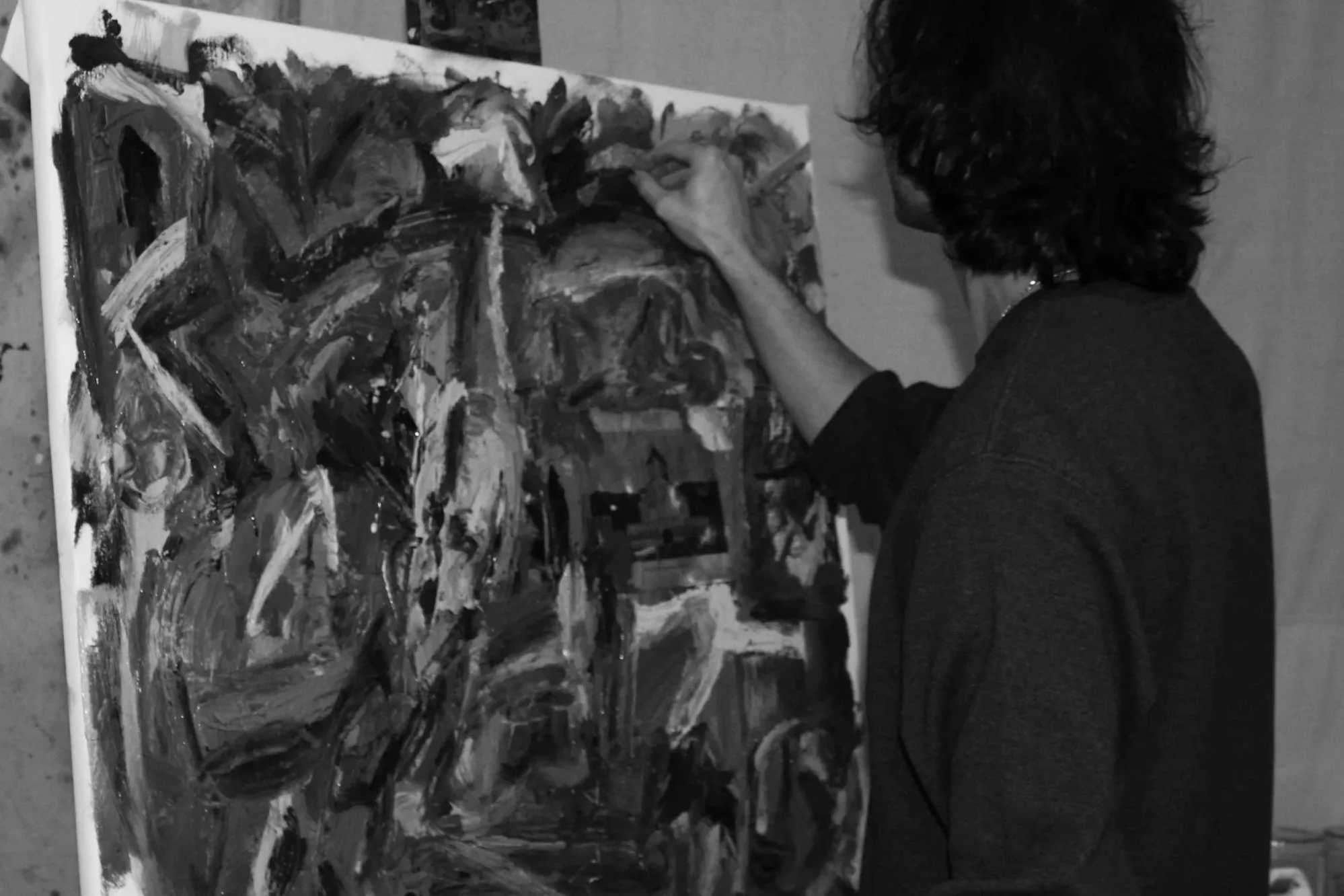
Studio Images, 2026
Photographs by G. Mozian
New York
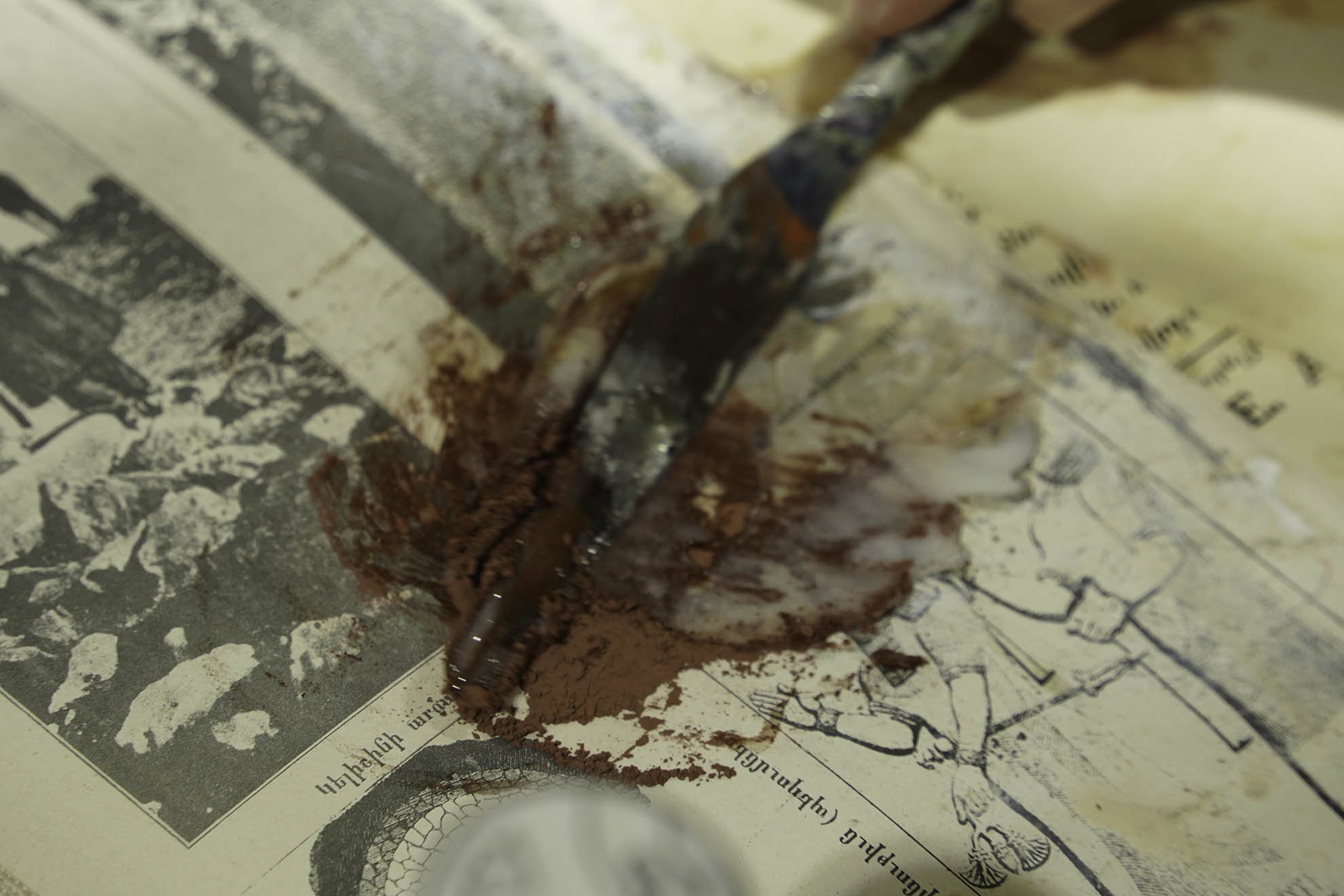
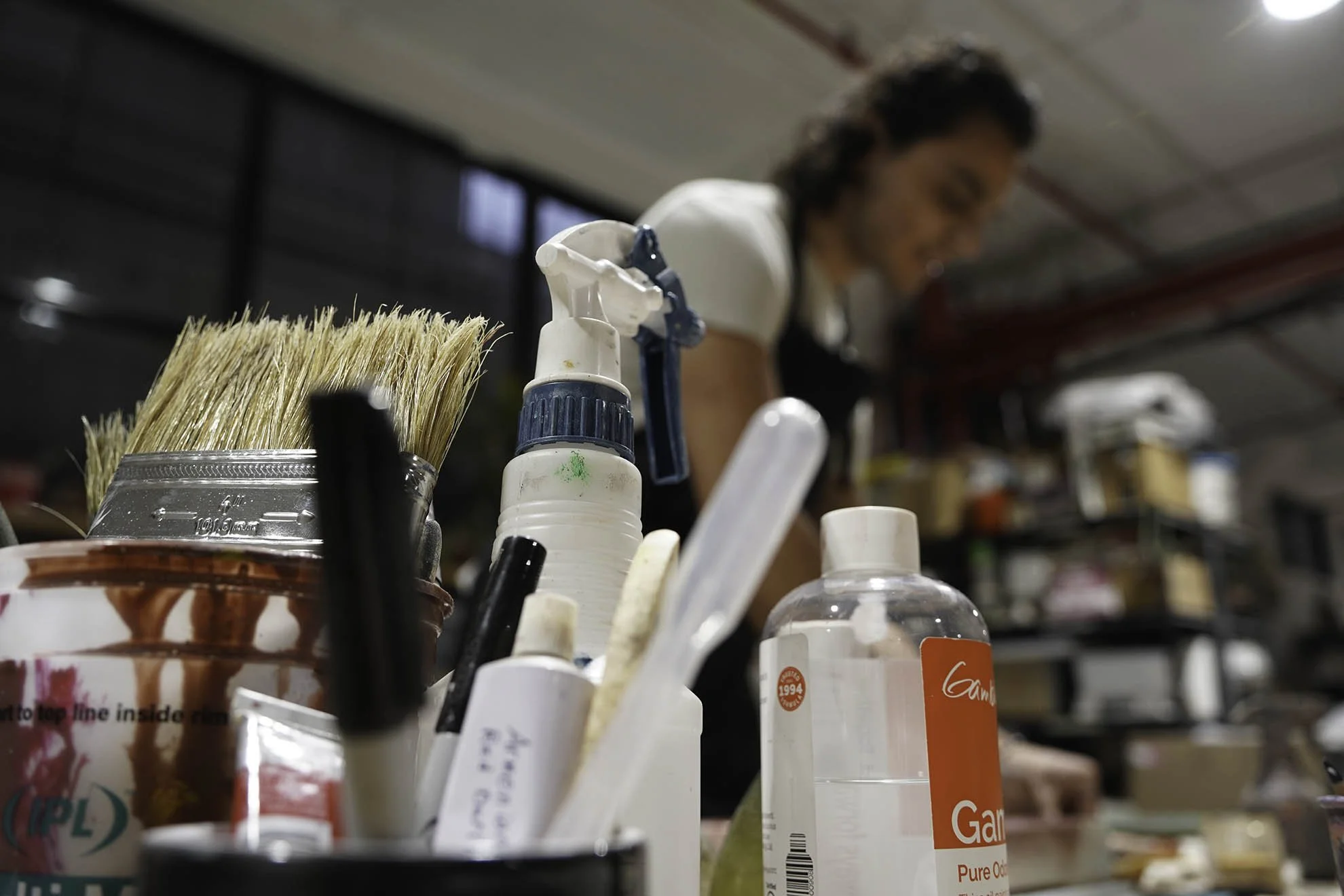
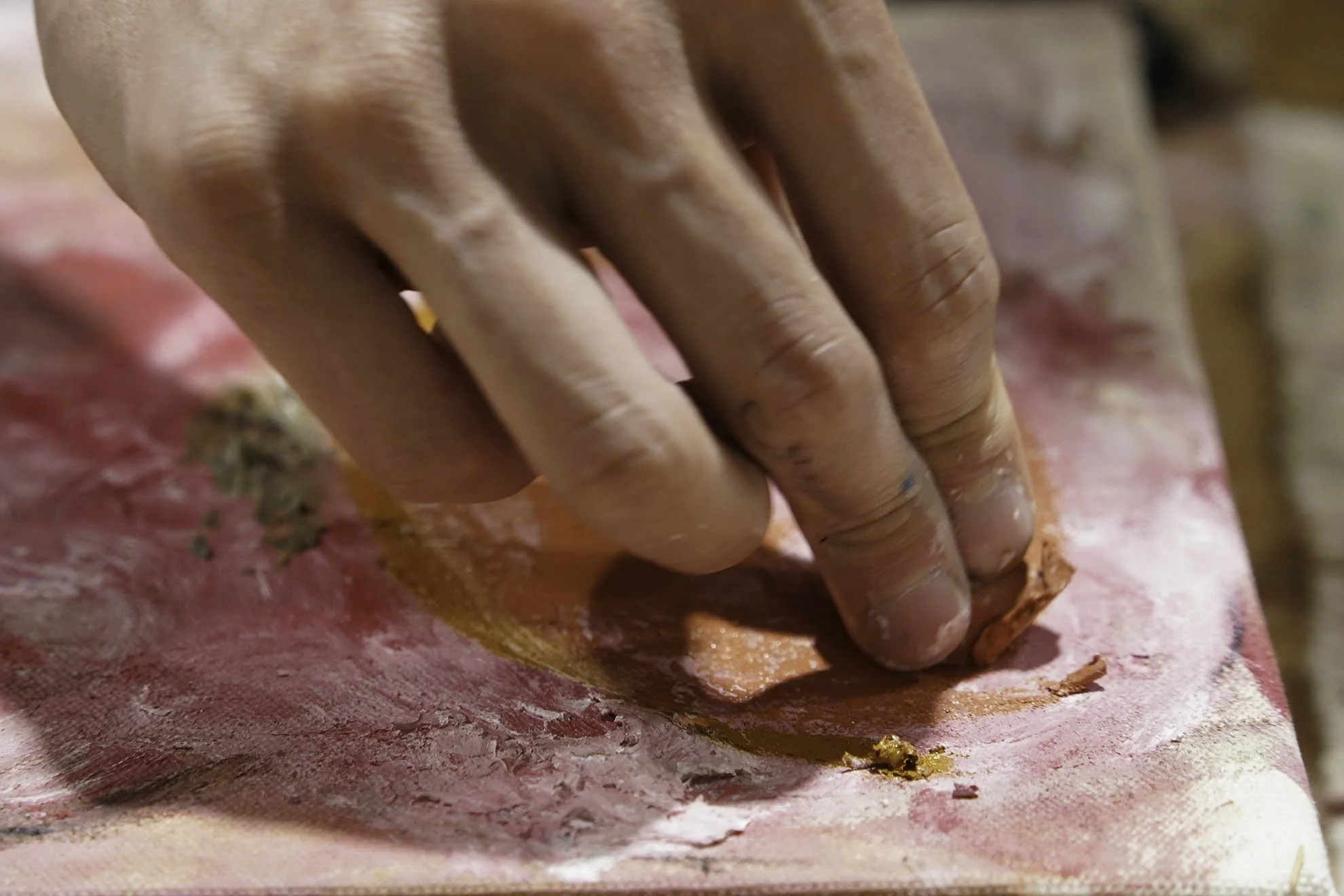
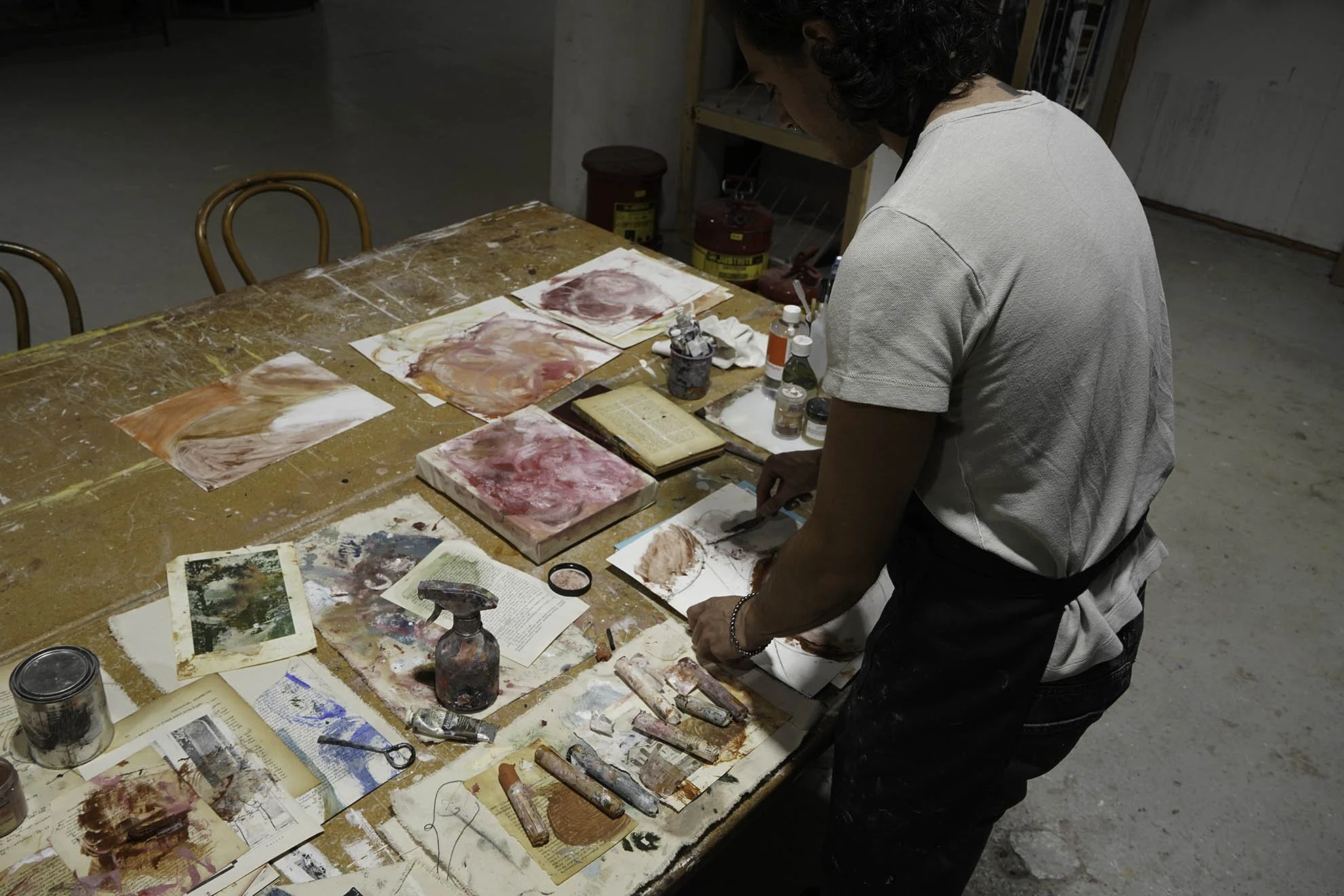
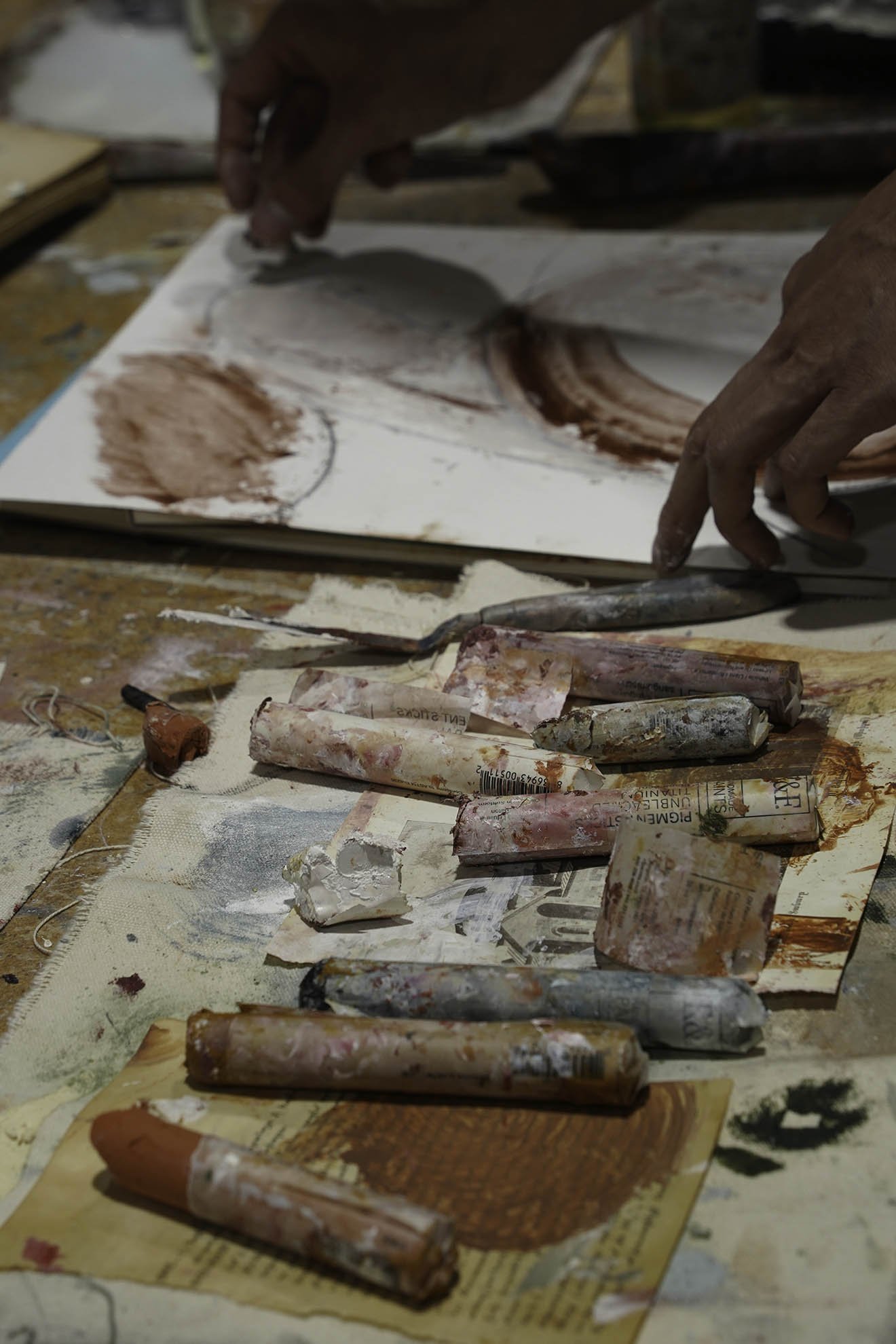
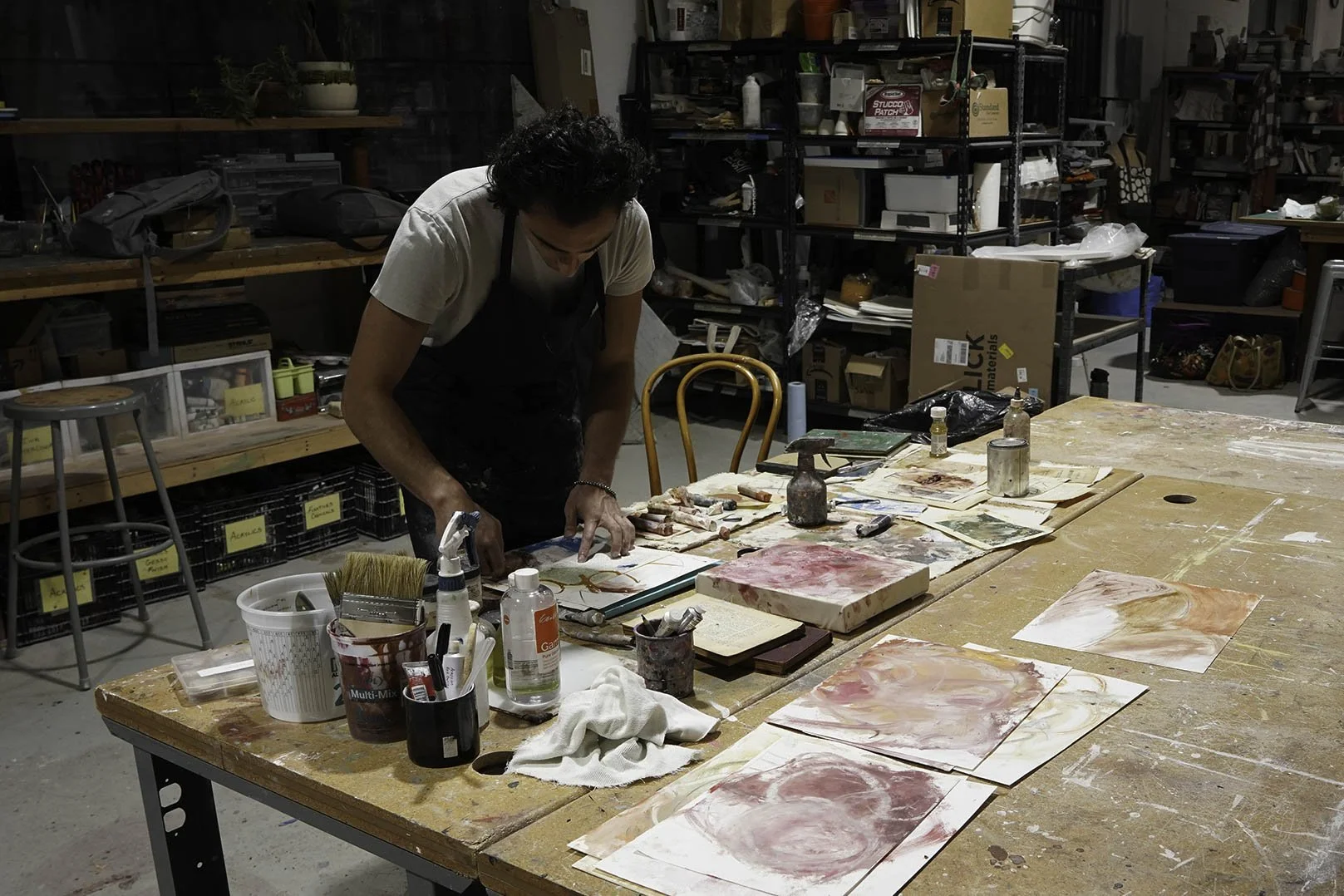
Studio Images, 2026
Photographs by P. Kasparian
New York
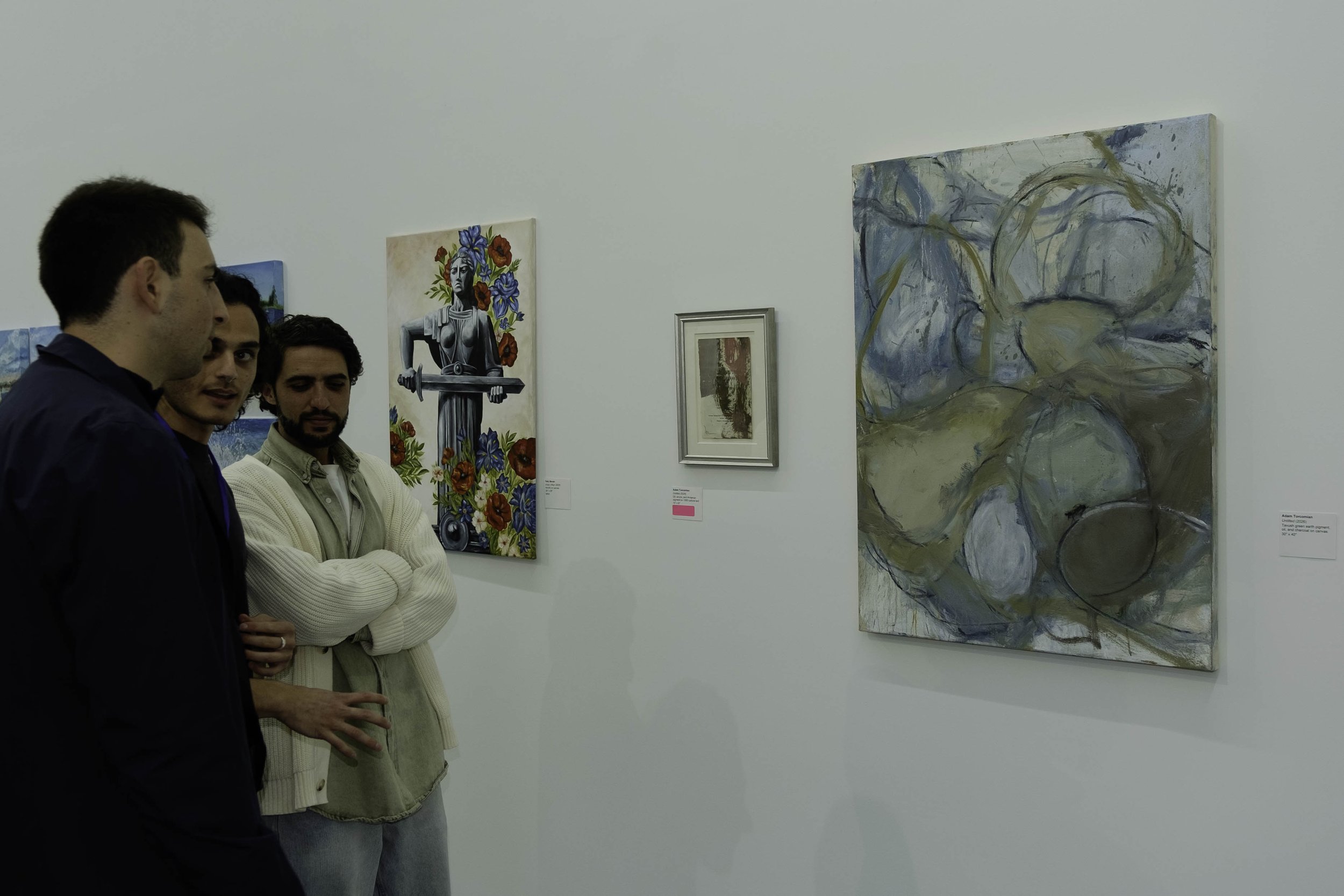
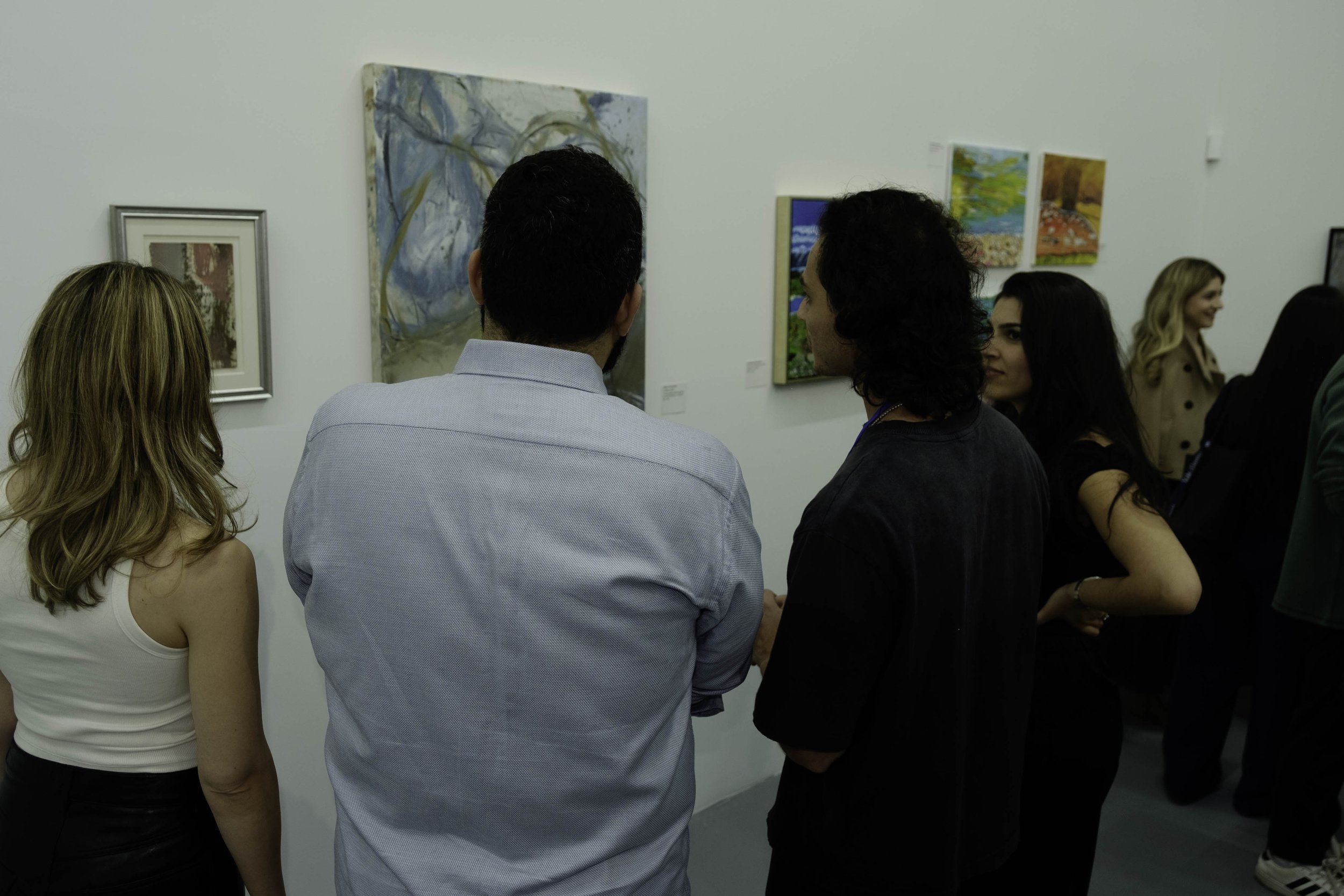
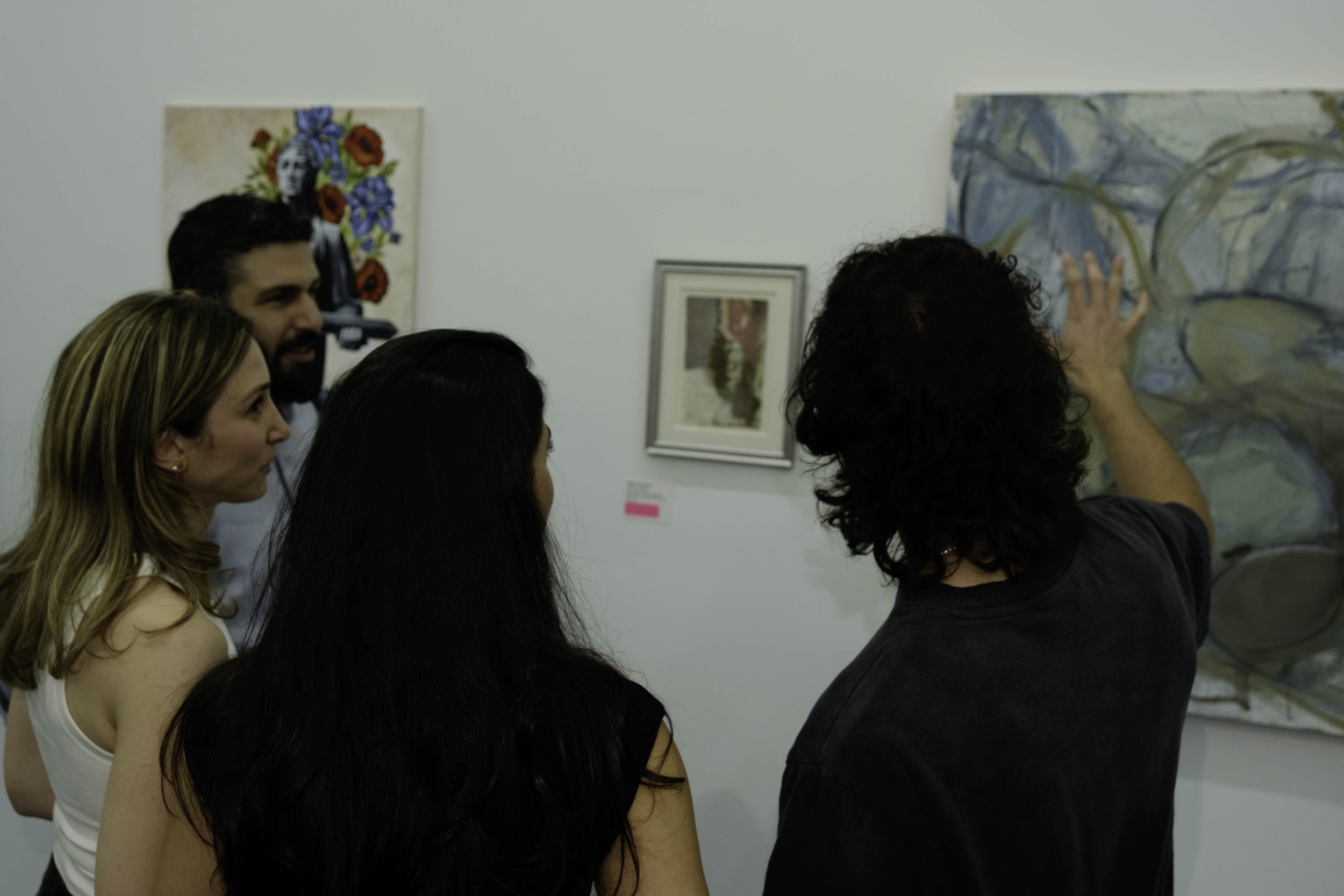
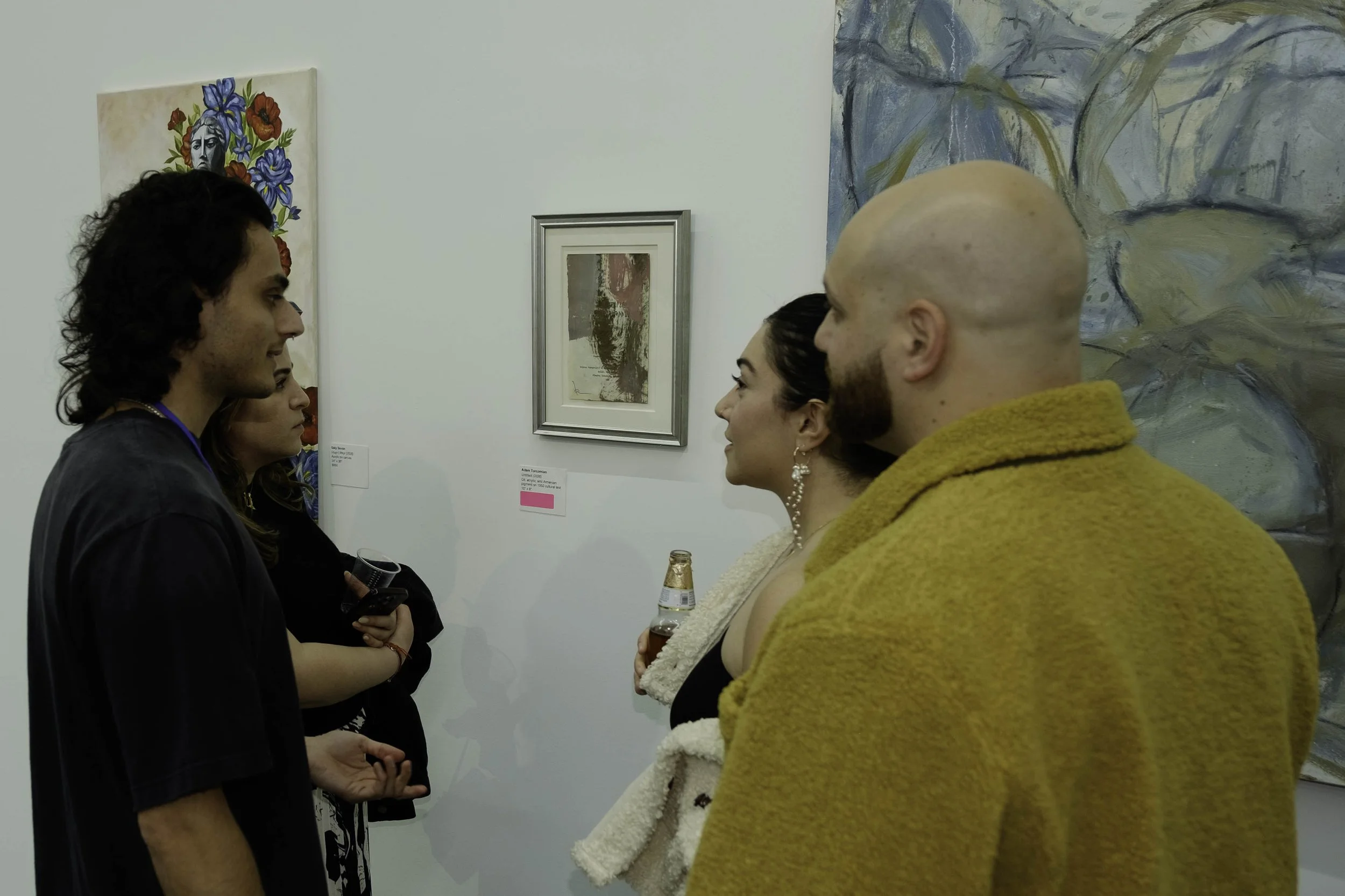
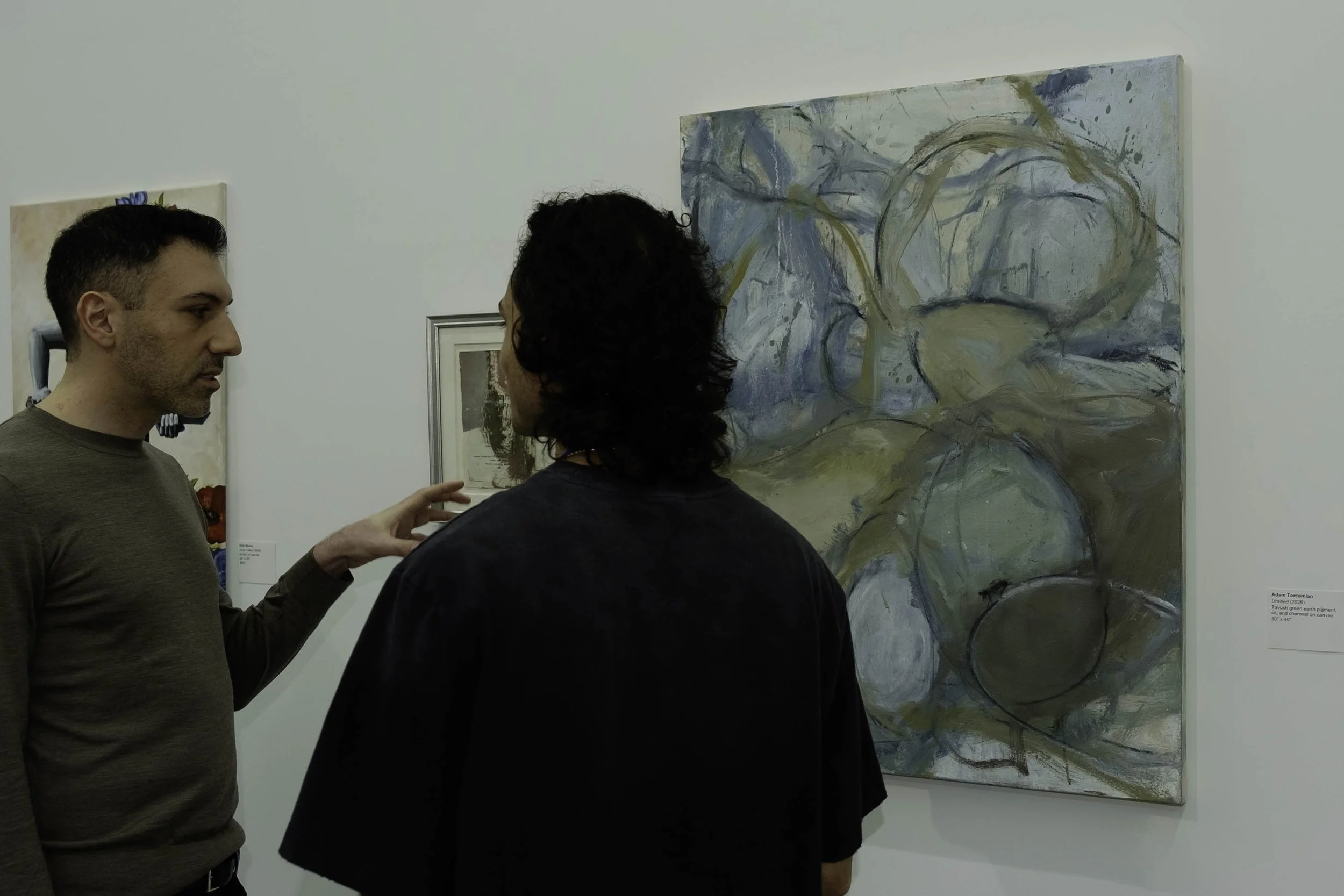
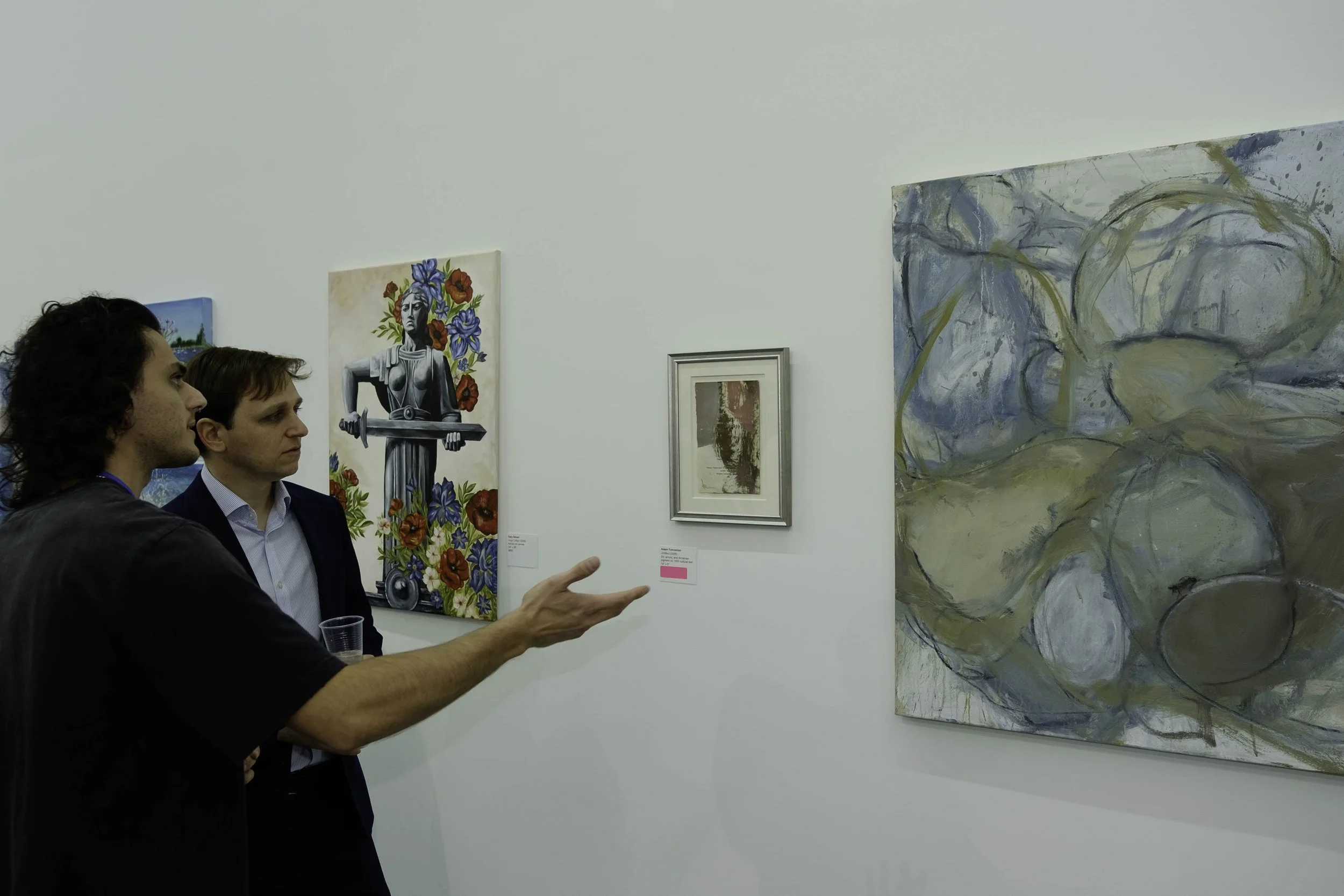
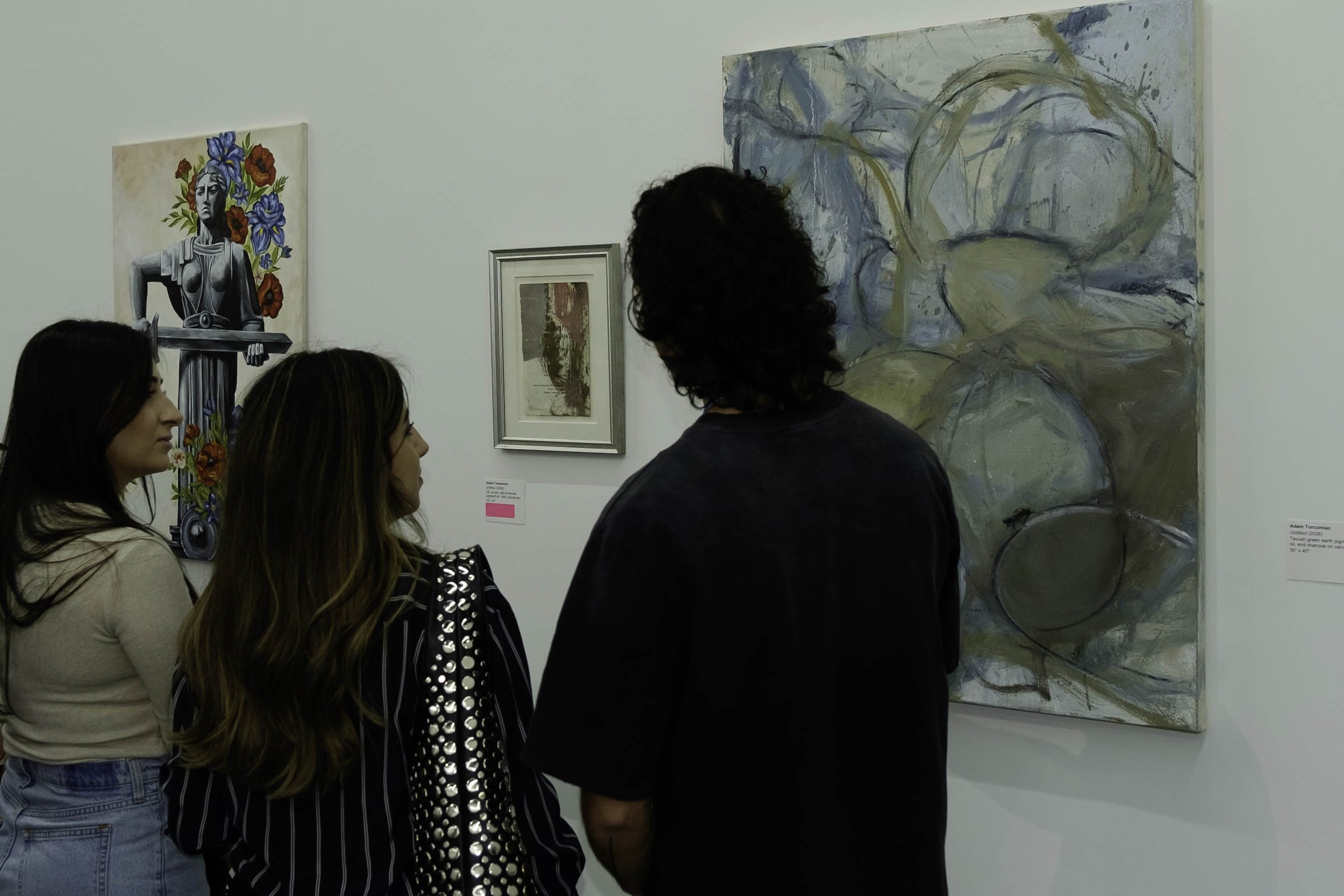
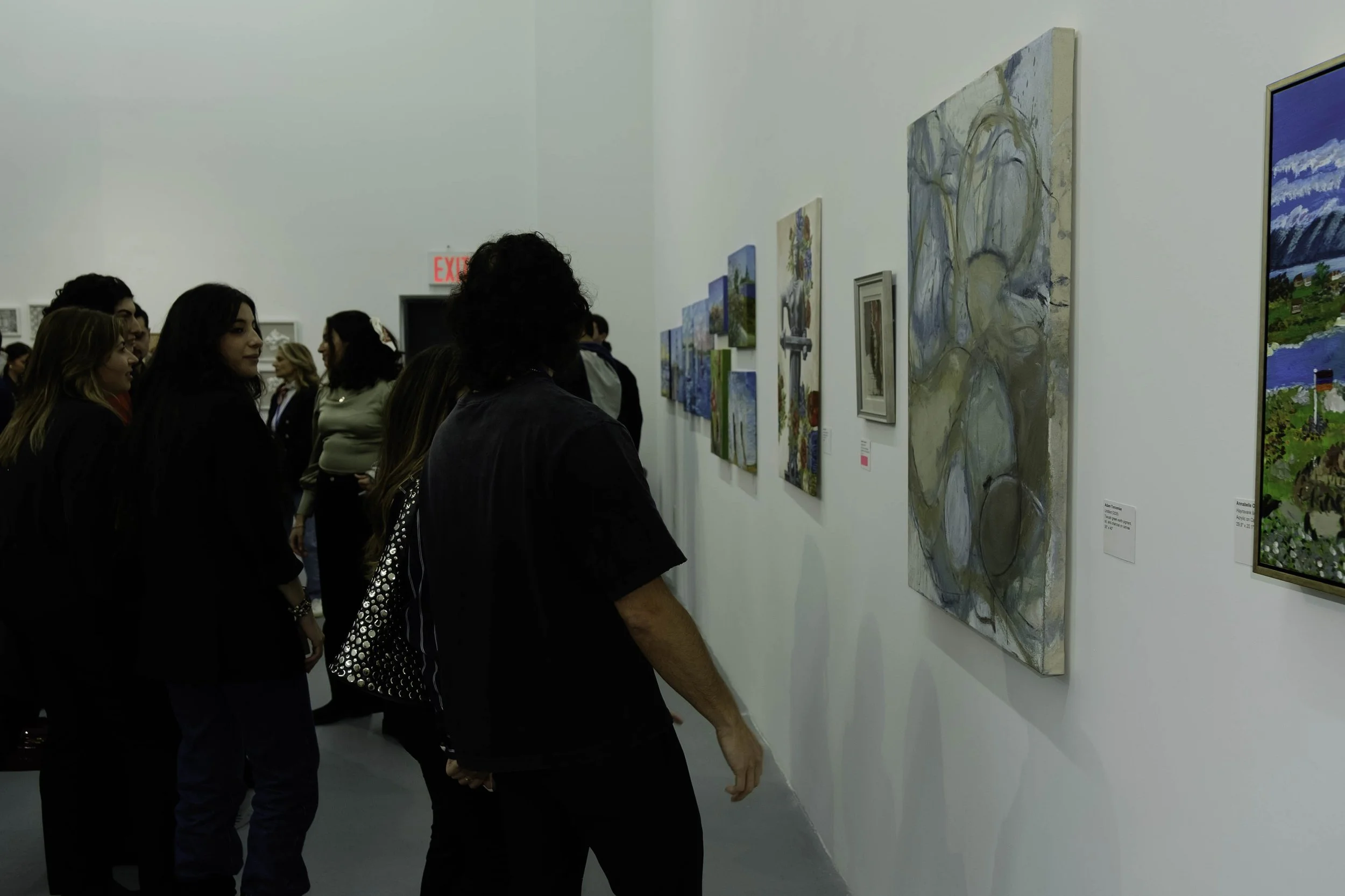
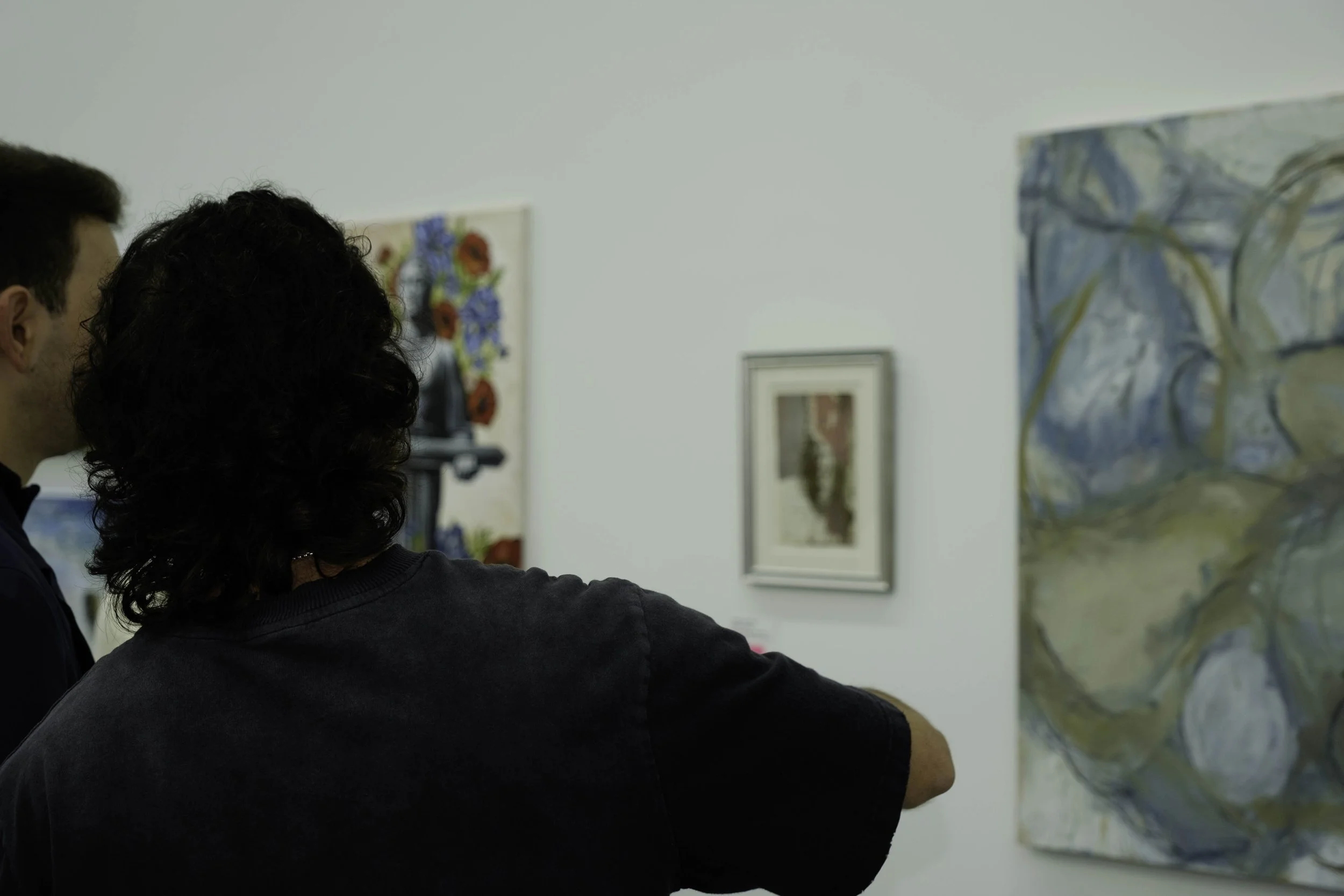
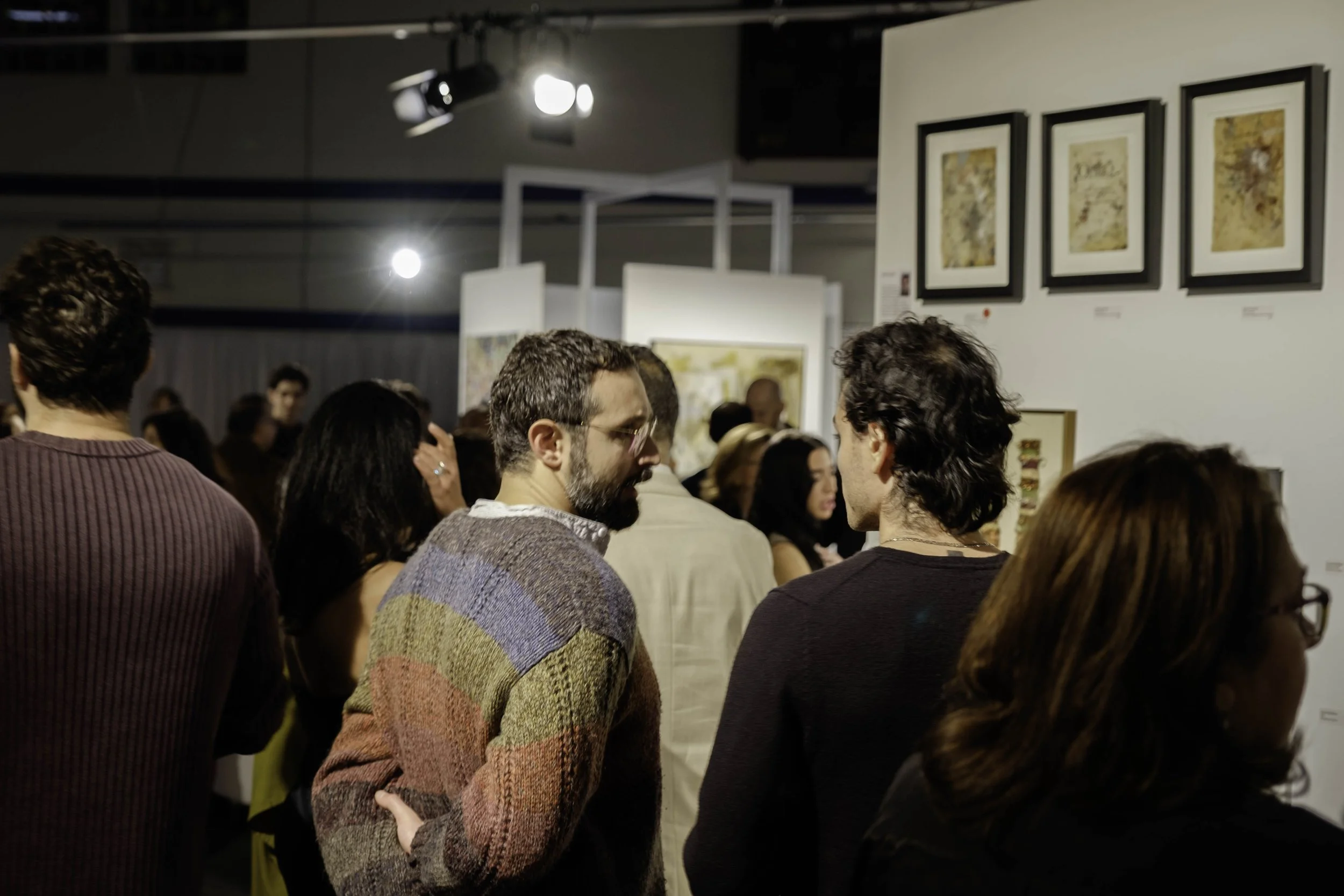
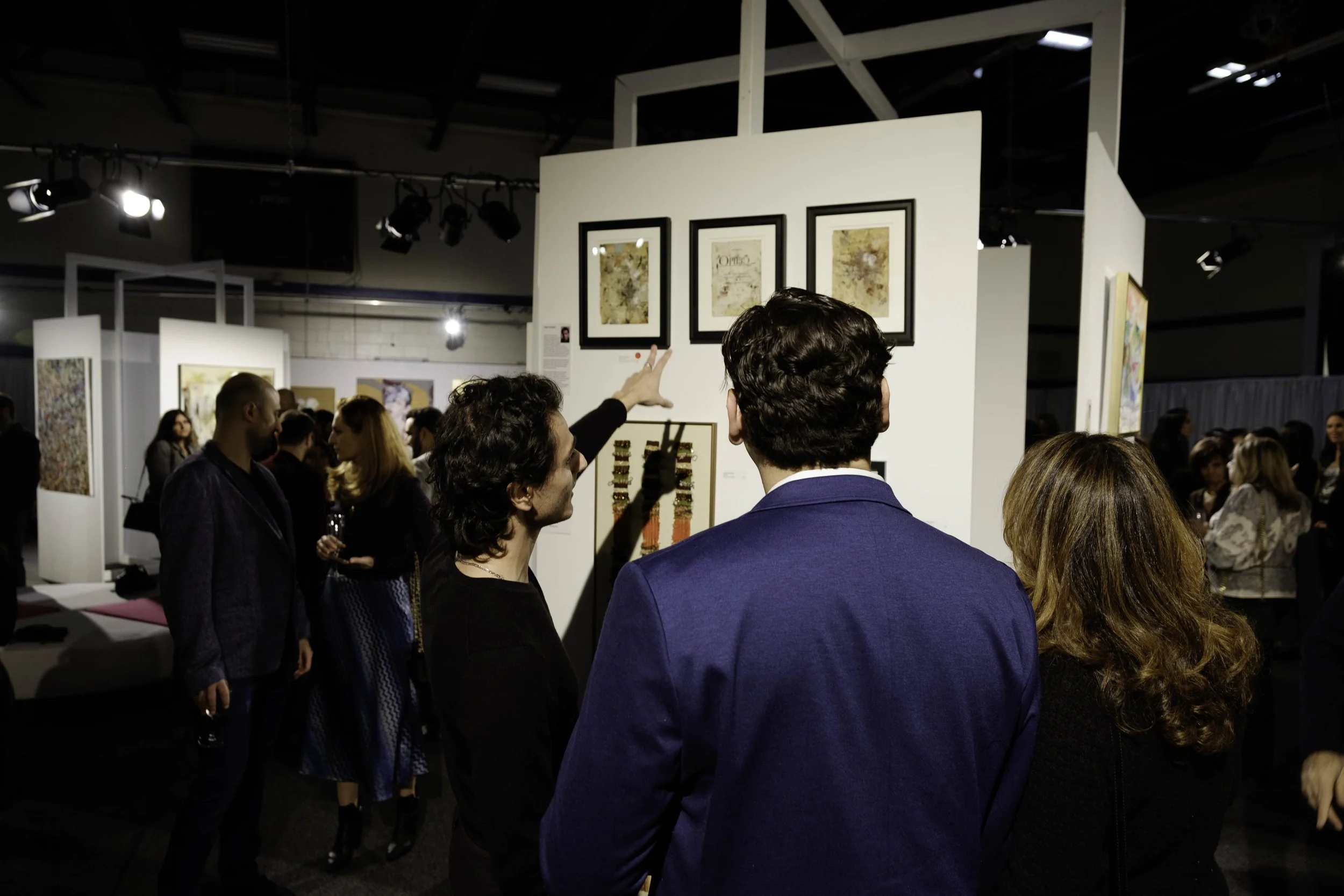
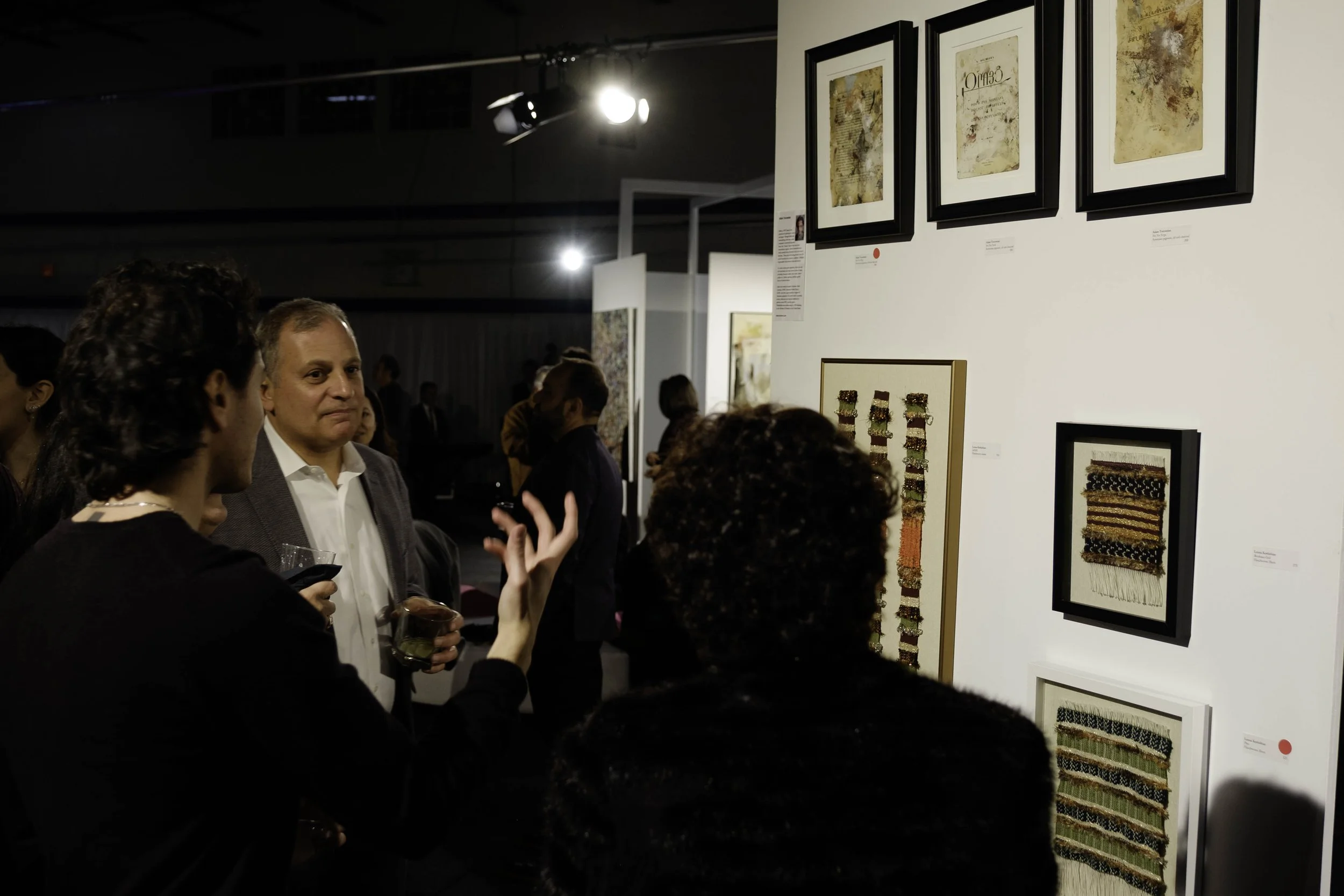
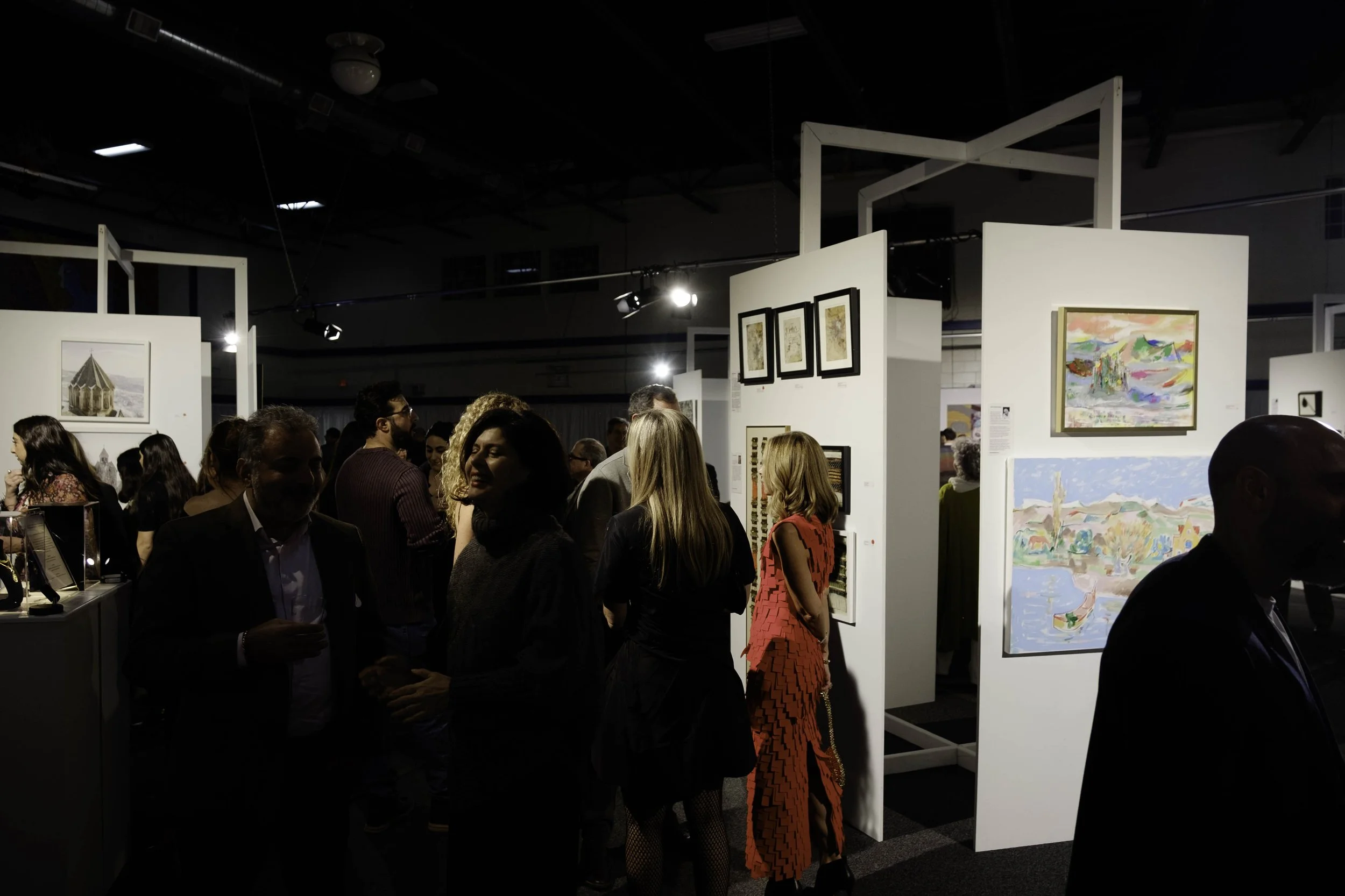
Exhibition (Photographs by M. Selverian)
2025 — Art in Fall (13th Annual), Hovnanian School, New Milford, New Jersey [link]

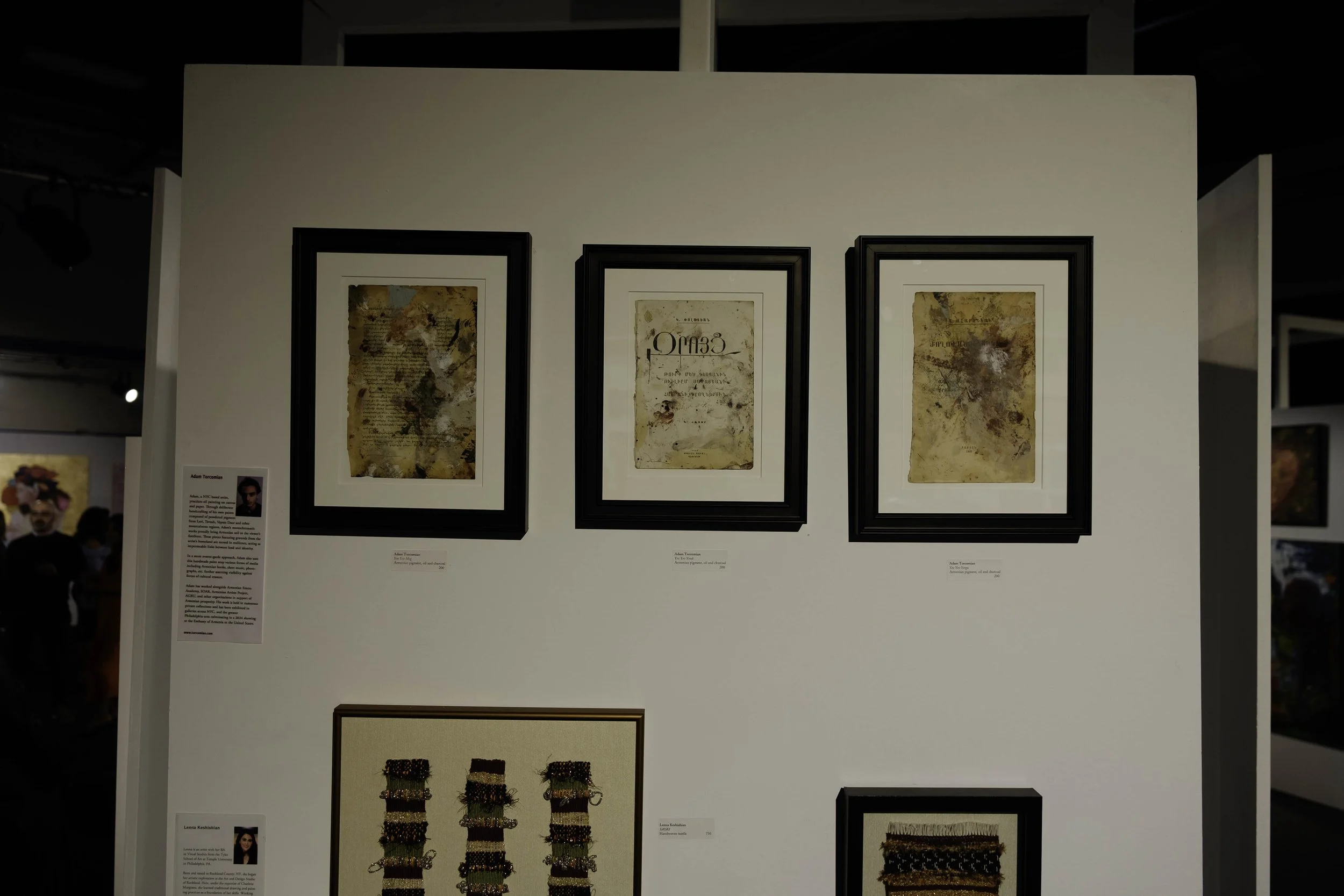
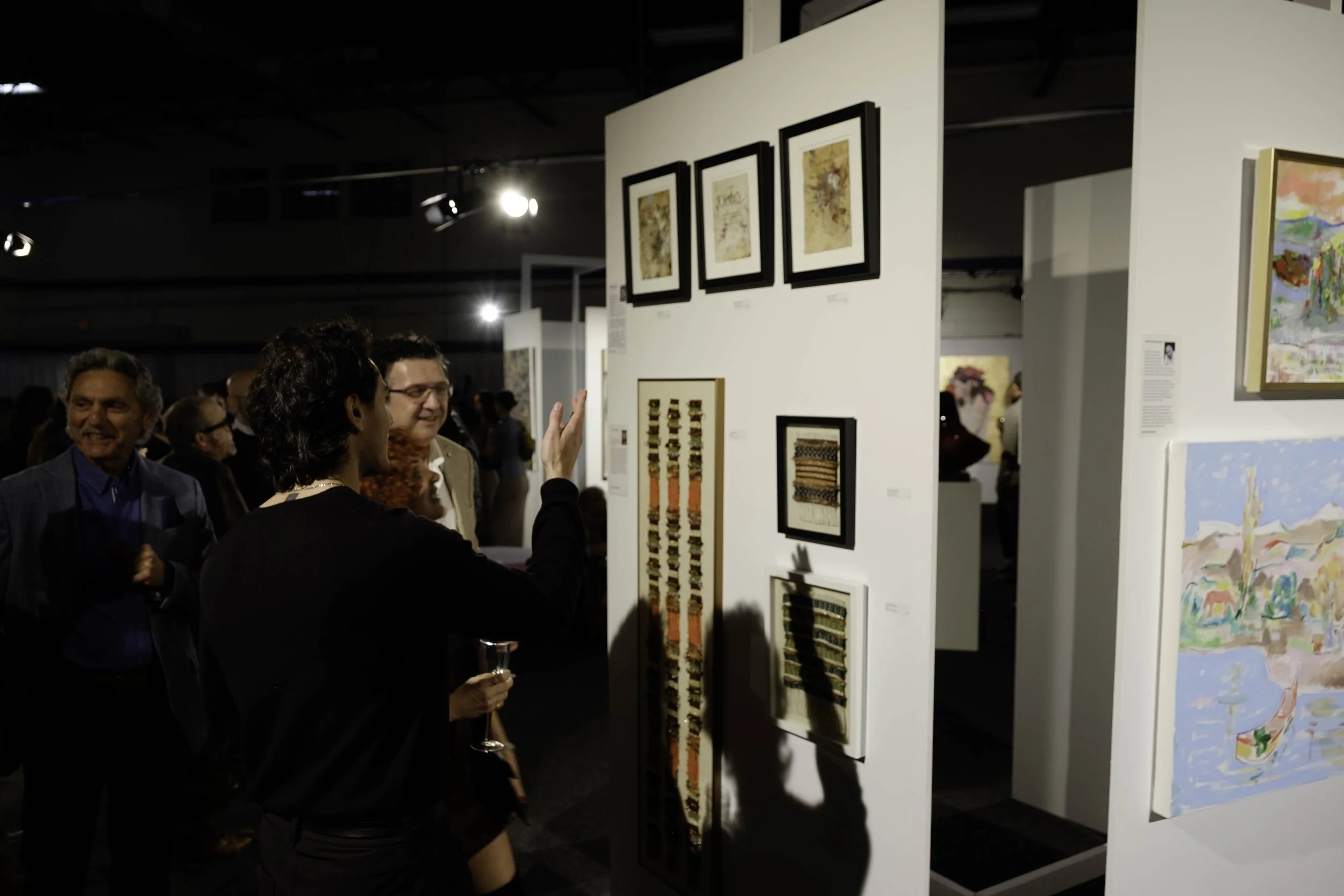
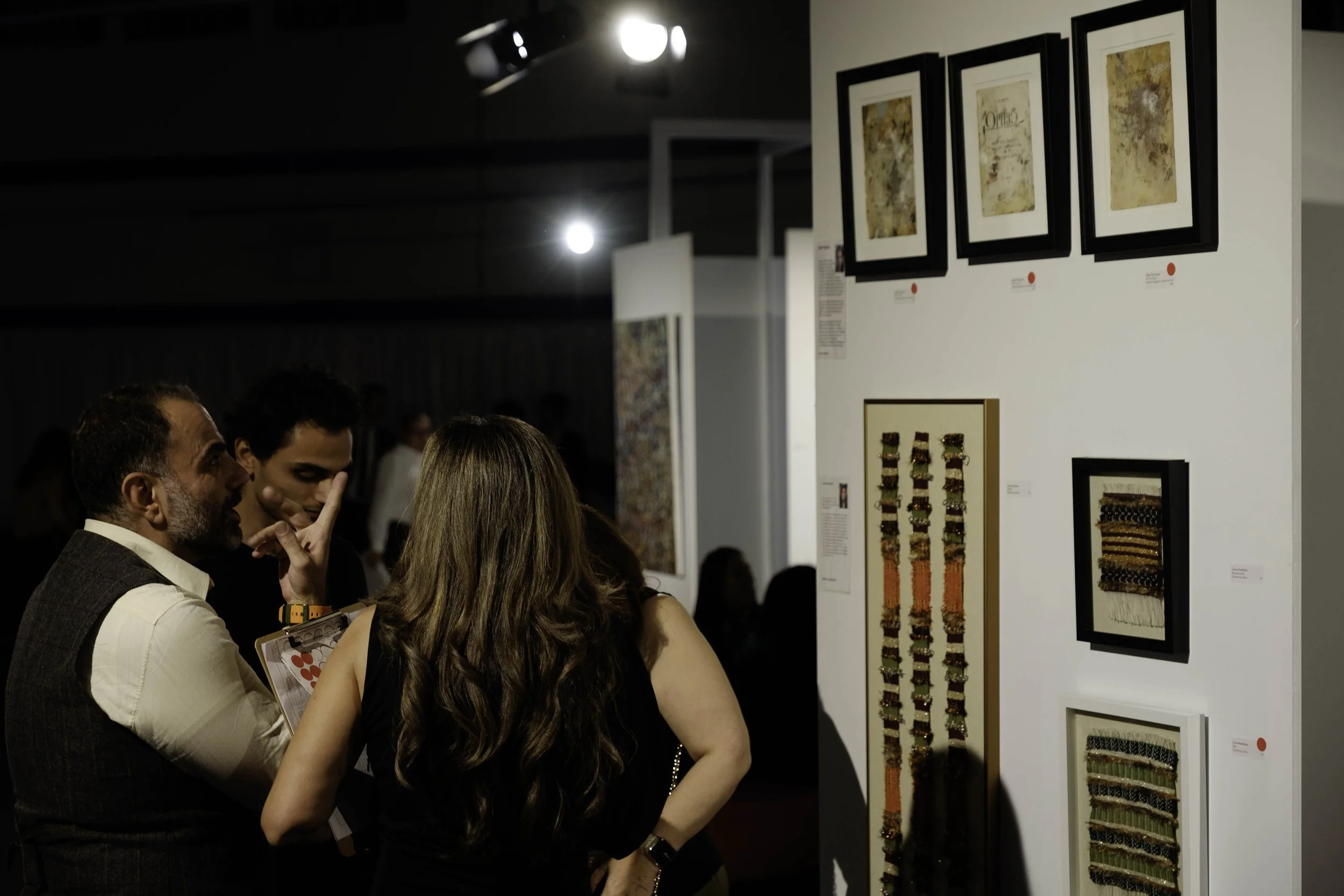
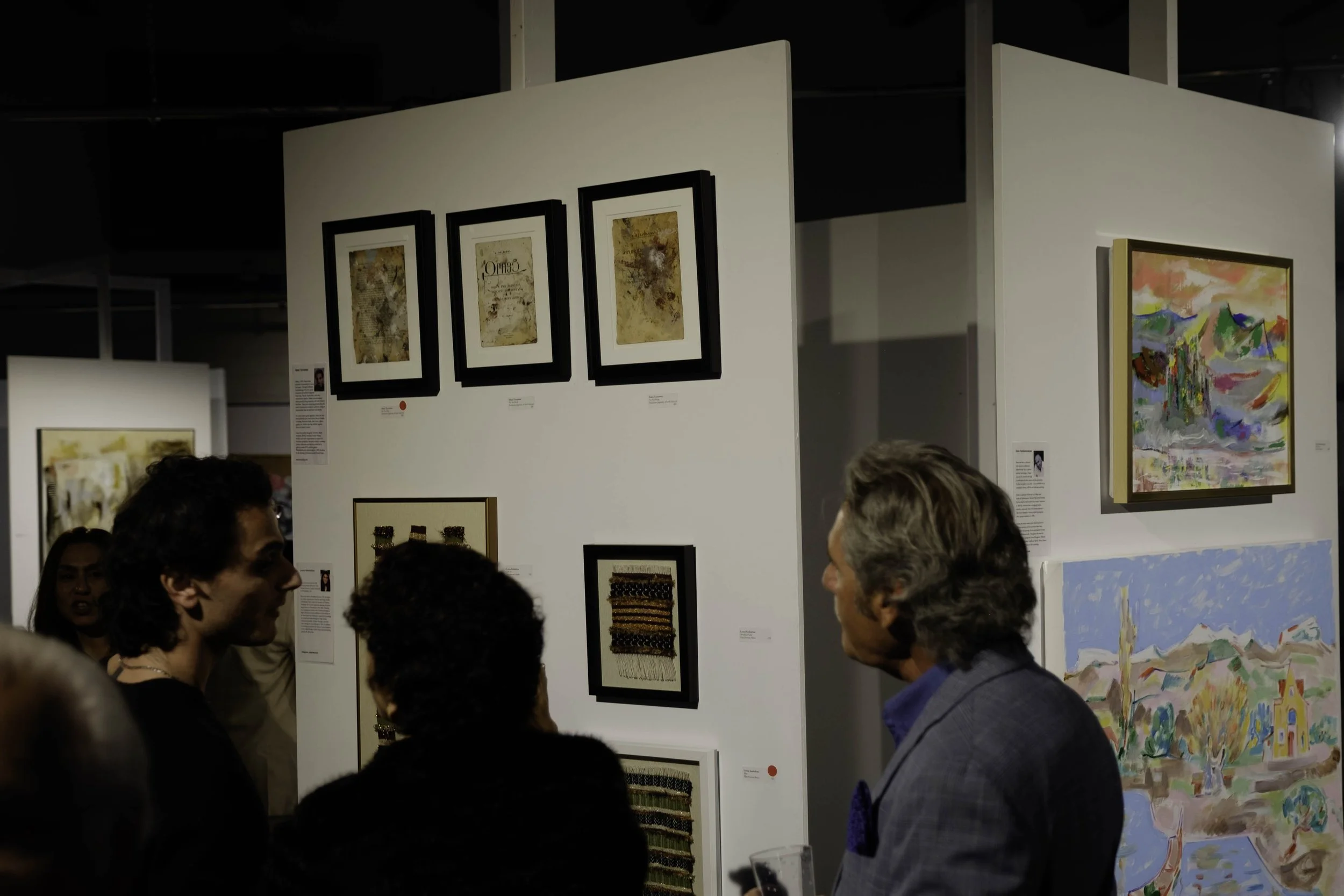
Exhibition (Photographs by M. Selverian)
2026 — Roots & Vines (2026), Ethan Cohen Gallery, Armenian General Benevolent Union (AGBU), New York, New York [link]